

Direct Answer:
Pico laser treatment in Chennai is a non-surgical laser used for pigmentation, acne marks, some scars, and tattoo removal, typically costing ₹5,000–₹10,000 per facial session, with many plans needing around [confirm] sessions. The exact price and number of sessions depend on your skin concern, treatment area, and skin type, which a dermatologist confirms at consultation.
It works by delivering ultra-short laser pulses that break up pigment. Results build gradually, and temporary redness or swelling is common afterward.
Pico Laser Treatment at a Glance
| What you want to know | Quick answer |
|---|---|
| What is Pico laser? | A laser technology that delivers ultra-short pulses measured in picoseconds |
| Common uses | Pigmentation, freckles, selected acne marks/scars, photoaging and tattoo removal |
| Sessions | Often a series of treatments; the exact number depends on the condition |
| Treatment time | Usually a short outpatient procedure; duration depends on the area treated |
| Downtime | Generally limited, although redness, swelling or sensitivity can occur |
| Results | Develop progressively and vary from person to person |
| Indicative cost in Chennai | Around ₹5,000–₹10,000 per facial session; actual pricing varies |
| Suitable for Indian skin? | It can be, but treatment settings need to be individualized |

Medical review: Have this article medically reviewed and approved by Dr. Vatsan V, Dermatologist at WEA Clinic, Chennai, MBBS, MD – Dermatology, Venereology & Leprosy, before publication.
What Is Pico Laser Treatment?
Pico laser delivers energy in pulses measured in picoseconds. The pulses are short enough to break pigment into fragments while limiting the heat delivered to surrounding tissue, compared with some conventional lasers. The exact effect depends on the wavelength, device and settings.
Picosecond lasers were first developed largely for tattoo removal and have since been studied for pigmentary disorders, acne scarring and photoaging. Which wavelength and settings suit you depends on the underlying condition, so a dermatologist needs to diagnose it first.
What Can Pico Laser Treat?
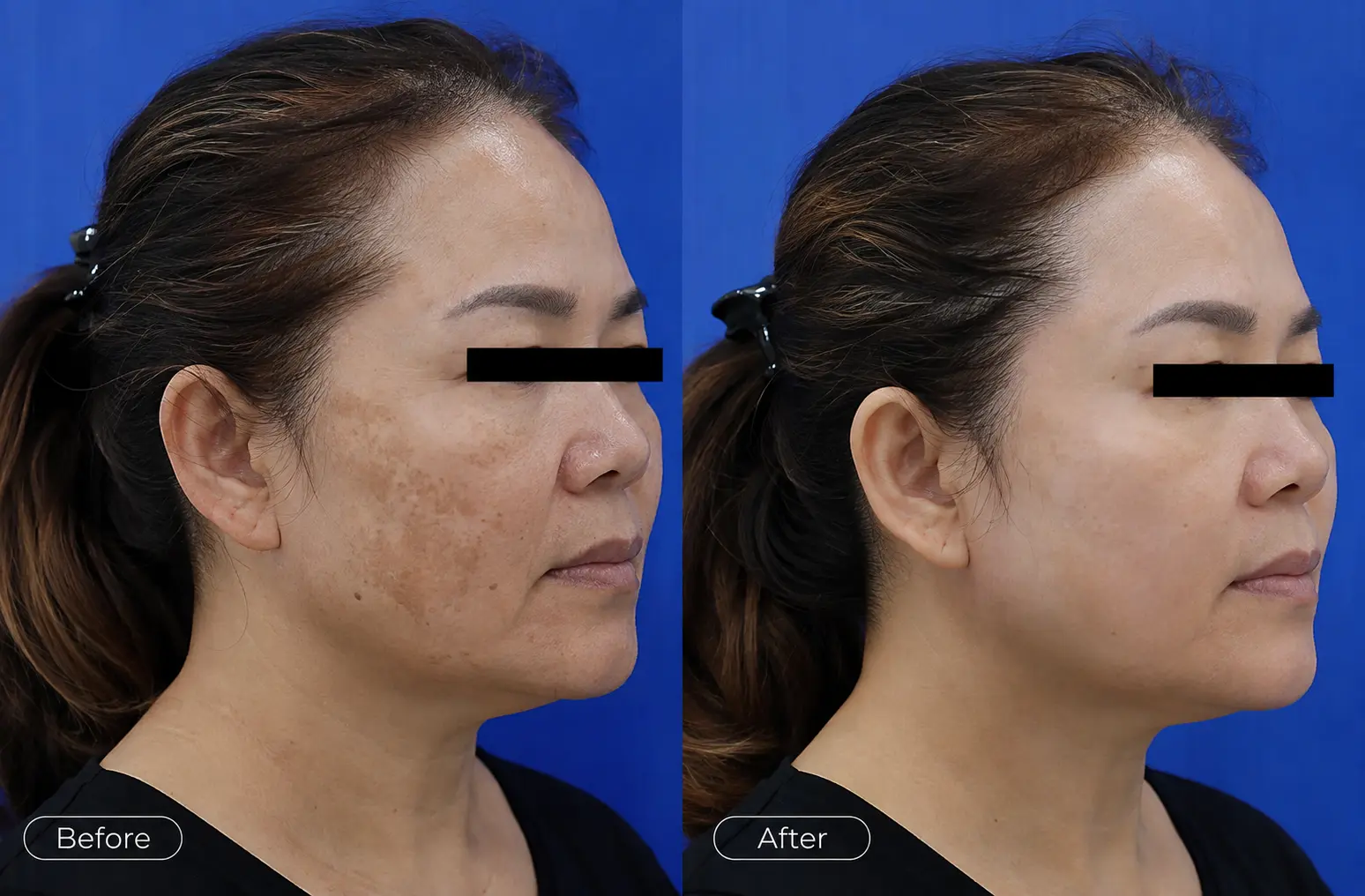
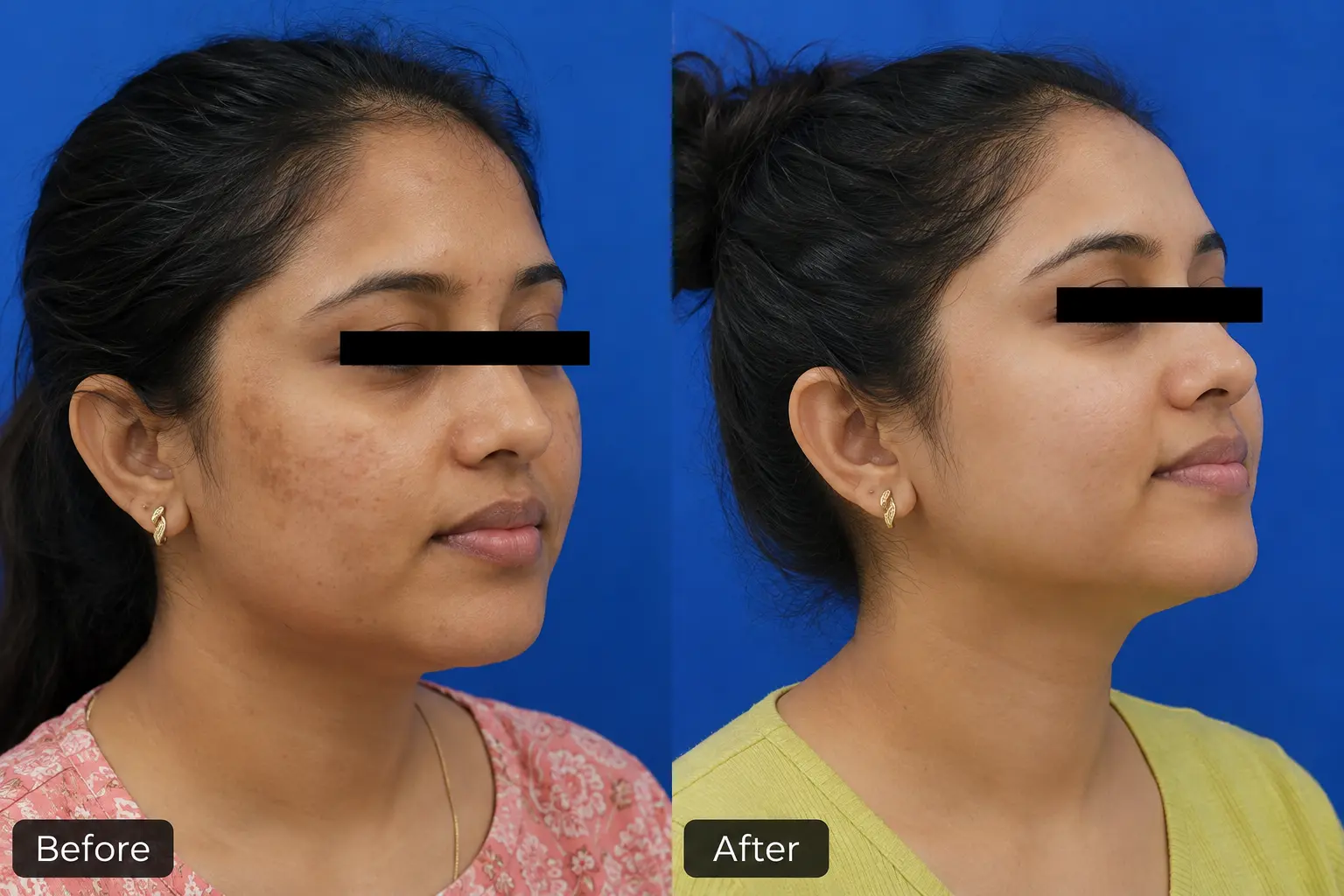
Pico laser may be used for a range of cosmetic and dermatological concerns, including:
- Pigmentation and pigmented lesions
- Freckles and sun spots
- Acne marks
- Some acne scars
- Uneven skin tone and texture
- Early signs of photoaging
- Tattoo pigment
Downtime is generally limited compared with more aggressive ablative lasers, though it varies with the treatment.
Acne Marks vs Acne Scars
Acne marks are flat red or brown areas left after acne. Acne scars change the skin’s texture, with depressions or raised areas. Pico laser can be considered for some of both, but deeper or more complex scars may need a combination of treatments.
Is Pico Laser Good for Pigmentation?
It can improve some types, but the diagnosis comes first. Pigmentation can come from melasma, post-inflammatory hyperpigmentation, sun exposure, freckles and other conditions, and a treatment that suits one type may not suit another.
What About Melasma?
Melasma is a chronic, recurring condition. Pico laser has shown promising results in some studies, but the evidence varies across wavelengths and protocols, and some research reports a risk of post-inflammatory hyperpigmentation with certain approaches. It should not be presented as a permanent cure. A dermatologist may combine laser with other treatments depending on your skin type, pigmentation pattern and treatment history.
Is Pico Laser Safe for Indian Skin?
Pico laser can be used on Indian skin, but treatment settings need to be selected carefully.
Indian skin often falls within the darker Fitzpatrick skin types, where laser procedures can carry a greater risk of post-inflammatory hyperpigmentation or hypopigmentation.
Recent reviews of laser and energy-based treatments in skin of color emphasize careful device selection, conservative treatment parameters and appropriate photoprotection.
This does not mean that Indian skin cannot undergo laser treatment. It means that the diagnosis, wavelength, energy settings and treatment technique matter.
Who Should Postpone or Avoid Pico Laser?
Treatment may need to wait if the area has:
- An active skin infection
- Significant irritation or inflammation
- An uncontrolled skin condition
- Recent heavy sun exposure or tanning
- A medical or medication factor that raises risk
Tell your dermatologist about your medications, skincare products, previous laser treatments and any history of pigmentation or scarring. If you are pregnant or breastfeeding, discuss elective laser treatment with your doctor first.
What Happens During Treatment
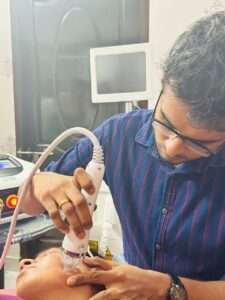
1. Consultation
The dermatologist examines your skin and identifies the concern being treated.
Your medical history, medications, previous treatments and skin sensitivity may also be reviewed.
2. Skin preparation
The treatment area is cleansed before the procedure. Depending on the treatment and individual sensitivity, a topical numbing cream may be used.
3. Laser treatment
The dermatologist selects the appropriate wavelength and settings and delivers the laser over the treatment area.
Treatment time varies according to the size and type of area being treated.
4. Post-treatment care
The skin may appear temporarily red or feel warm and sensitive immediately afterwards.
Your dermatologist will provide specific aftercare instructions based on the procedure performed.
How Many Pico Laser Sessions Are Needed?
There is no fixed number of sessions for every patient.
As a general guide, many facial pigmentation and skin-rejuvenation treatments are planned as a series of around 3–5 sessions, with the interval determined by the treatment protocol and how your skin responds.
Other concerns can require more sessions.
| Concern | Indicative treatment course |
|---|---|
| Pigmentation | Often around 3–5 sessions |
| Skin rejuvenation/texture | Often around 3–5 sessions |
| Acne-related concerns | May require a series of treatments depending on severity |
| Tattoo removal | Often several sessions; the number varies considerably |
Tattoo removal is particularly difficult to predict. Published studies have reported more than 70% pigment clearance after 1–10 treatments in the reviewed studies, with outcomes depending on factors such as tattoo colour, laser wavelength and individual response.
These numbers are guidelines. Your dermatologist decides the number and spacing after examining your skin.
Results and Timeline
Results build gradually and don’t appear at once for everyone. You may notice:
- Less visible pigmentation and a more even tone
- Improvement in some acne marks and scars
- Smoother-looking skin
- Gradual fading of tattoo pigment
Some people see an early change after the first session, but the result should be judged after the planned course, not one visit. Treated pigment can look darker for a while before it fades. The final result depends on the condition, skin type, settings, number of sessions, sun exposure and aftercare. For melasma, recurrence is possible even after good improvement.
Recovery and Aftercare
Right after treatment you may have redness, warmth, mild swelling, tingling or sensitivity. For many patients this settles within a few days, depending on the settings and your skin.
- Follow your dermatologist’s aftercare instructions.
- Use a gentle cleanser and moisturizer.
- Don’t rub, scratch or pick the treated area.
- Avoid unnecessary direct sun and apply broad-spectrum sunscreen regularly.
- Don’t restart retinoids or exfoliating acids until your dermatologist says so.
Sun protection matters most for pigmentation, because UV exposure can contribute to recurrence and unwanted pigment changes.
Side Effects and Safety
Pico laser is generally well tolerated when it’s suitable for your condition and performed by a qualified professional, but it isn’t risk-free.
Possible side effects:
- Temporary redness, swelling, warmth or sensitivity
- Temporary darkening of treated pigment
- Post-inflammatory hyperpigmentation or hypopigmentation
- Blistering in some treatments
- Rarely, scarring or lasting pigment changes
Risk depends on your skin type, the indication, wavelength, energy settings and aftercare. Darker skin tones need particular care.
There’s no evidence that pico laser uses ionizing radiation such as X-rays. The laser energy is non-ionizing. The useful question is whether the treatment and settings are right for your concern and skin type.
Pico Laser vs Other Pigmentation Treatments
There is no single pigmentation treatment that works best for every patient.
| Treatment | Common role | Important consideration |
|---|---|---|
| Topical treatments | Pigmentation and melasma management | Often require consistent, long-term use |
| Chemical peels | Selected pigmentation and superficial skin concerns | Can cause irritation and pigmentary changes |
| Q-switched lasers | Pigmented lesions and selected tattoo/pigment concerns | Treatment settings must be individualized |
| Pico lasers | Selected pigmentation, tattoos and some texture/scar concerns | Results depend on wavelength, indication and settings |
| Fractional lasers | Selected scars, texture and resurfacing | Recovery profile differs according to the device |
For post-inflammatory hyperpigmentation in skin of color, laser treatment is generally considered an adjunct rather than an automatic first choice, particularly when topical options remain appropriate.
The right treatment should therefore be based on the diagnosis rather than simply choosing the newest laser technology.
What Pico Laser Cannot Do
Pico laser is not a universal solution for every skin concern.
It should not be presented as a guaranteed treatment for:
- Deep or severe acne scars
- Sagging skin
- Deep wrinkles
- Every type of pigmentation
- Permanent prevention of melasma recurrence
- Every tattoo colour
- All forms of acne
For tattoos, treatment response varies according to ink colour, tattoo depth, density, location and laser wavelength. Systematic reviews have found good clearance in many cases, but also report adverse effects and substantial variation between studies.
Pico Laser Cost in Chennai
The Pico laser cost in Chennai is commonly around ₹5,000–₹10,000 per facial session, but this is an indicative market range rather than a fixed price for every clinic or treatment.
The final cost can depend on:
- Skin concern
- Size of the treatment area
- Type of Pico laser/device
- Wavelength and treatment settings
- Number of sessions
- Whether the treatment is combined with another procedure
- Doctor consultation and follow-up
For example, publicly listed prices from clinics can vary by indication and treatment area, with some Chennai-region pricing pages showing facial Pico treatments within and beyond this range.
Why Choose WEA Clinic for Pico Laser in Chennai?

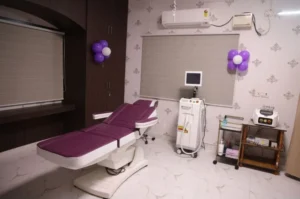

At WEA Clinic, Pico laser treatment starts with a dermatologist assessment to understand your pigmentation or skin concern before deciding whether laser treatment is suitable.
- Dermatologist-led consultation: Your skin is assessed by Dr. Vatsan V, MBBS, MD (Dermatology, Venereology & Leprosy).
- Personalised treatment: Laser settings and the number of sessions are planned according to your skin concern and treatment area.
- Clear pricing: The treatment cost is explained after your consultation and assessment.
- Focused aftercare: You receive guidance on skincare and sun protection to support your treatment results.
Want to know whether Pico Laser is suitable for your skin? Book a consultation at WEA Clinic, Velachery, and discuss your treatment options with a dermatologist.
When Should You See a Dermatologist?
A consultation is especially useful if:
- Your pigmentation keeps returning.
- You are unsure whether you have melasma, acne marks or another pigmentation disorder.
- Previous creams or treatments have not helped.
- You have darker skin and are considering laser treatment.
- You developed pigmentation after a previous cosmetic procedure.
- You are considering Pico laser for the first time.
A correct diagnosis helps determine whether Pico laser is appropriate or whether another treatment would be more suitable.
Key Takeaways
- Pico laser treatment in Chennai uses ultra-short laser pulses to target pigment and address selected skin concerns.
- It can be used for pigmentation, freckles, acne marks, selected acne scars, photoaging and tattoo removal.
- Around 3–5 sessions may be used for some facial pigmentation and rejuvenation treatments, but the exact number depends on the condition and skin response.
- Tattoo removal can require several sessions and is particularly difficult to predict.
- Pico laser generally involves limited downtime, but redness, swelling, sensitivity and temporary pigment changes can occur.
- Indian and darker skin types require careful treatment planning because pigmentary complications can occur after laser treatment.
- Pico laser cost in Chennai is commonly around ₹5,000–₹10,000 per facial session as an indicative range, but actual pricing depends on the treatment.
- Melasma can recur and should not be described as permanently cured by Pico laser.
- A dermatologist should assess your skin before deciding whether Pico laser is appropriate.
Frequently Asked Questions
1. Is Pico laser good for pigmentation?
Pico laser can improve selected pigmentation concerns, but it is not suitable for every type of pigmentation. The underlying cause should be diagnosed before treatment, especially when melasma is suspected.
2. How much does Pico laser cost in Chennai?
Pico laser treatment in Chennai commonly costs around ₹5,000–₹10,000 per facial session as an indicative range. The actual price depends on the treatment area, skin concern, device, settings and number of sessions.
3. How many Pico laser sessions are needed?
Many facial pigmentation and rejuvenation treatments are planned as a series of around 3–5 sessions, but the number varies by condition and individual response. Tattoo removal may require considerably more sessions.
4. Is Pico laser painful?
Pico laser treatment can cause a snapping, warm or tingling sensation. The level of discomfort varies according to the treatment area, laser settings and individual sensitivity. A numbing cream may be used for some procedures.
5. How long does Pico laser take to show results?
Some improvement may be noticed after an early treatment, but results develop progressively. Pigment may temporarily darken before fading, while changes in skin texture can take longer to become noticeable.
6. Is there downtime after Pico laser?
Downtime is generally limited. Temporary redness, warmth, mild swelling or sensitivity can occur and often settle within a few days, depending on the treatment.
7. Is Pico laser safe for Indian skin?
Pico laser can be used for Indian skin, but treatment settings need to be carefully selected. Darker skin has a greater risk of pigmentary complications following laser treatment, so professional assessment is important.
8. Can Pico laser remove acne marks and dark spots?
Pico laser can improve some acne-related pigmentation and dark spots. However, the cause of the pigmentation should be identified first because acne marks, melasma and other pigmentary conditions can require different treatment approaches.
9. Can Pico laser permanently remove pigmentation?
No. Pigmentation should not be described as permanently removed. Conditions such as melasma can recur, particularly with continued sun exposure and other triggering factors.
10. Can Pico laser remove tattoos?
Yes, picosecond lasers can be used for tattoo removal. However, the number of sessions and degree of clearance vary according to factors such as ink colour, tattoo depth, density and laser wavelength.
Medical Disclaimer
This article provides general information about Pico laser treatment and does not replace an individual medical consultation. Treatment suitability, risks, expected results, recovery and number of sessions vary between patients. A qualified dermatologist should assess your skin and medical history before treatment.
Written by: WEA Clinic Content Team
Medically reviewed by: Dr. Vatsan V, Dermatologist, WEA Clinic, Chennai
Credentials: MBBS, MD – Dermatology, Venereology & Leprosy
Medical reviewer details should be published only after the doctor has reviewed and approved the final article.