
CO2 Laser Resurfacing: Uses, Recovery & Results
 By WEA Clinic
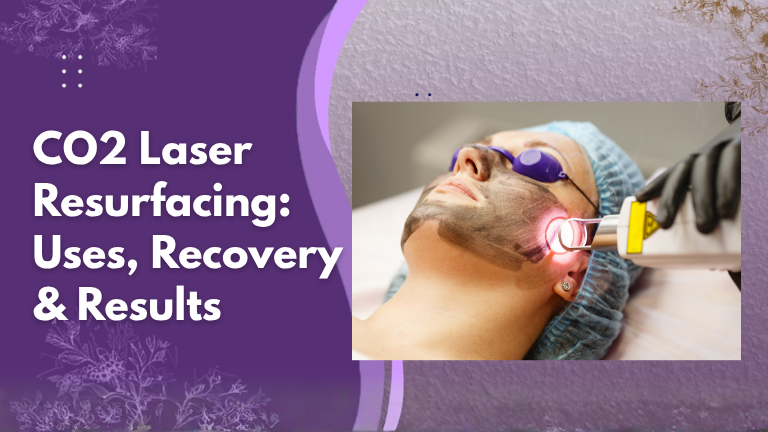
What is CO2 Laser Resurfacing?
CO2 laser resurfacing is one of the most clinically validated skin renewal treatments in modern dermatology. It uses concentrated carbon dioxide laser energy to precisely remove damaged layers of skin — triggering the body’s natural healing response and stimulating new collagen production in the layers beneath.
The result of co2 laser skin treatment is not just a surface improvement. It is a structural change in the skin’s dermal layer — producing smoother texture, reduced scarring, tighter pores, and significantly more even skin tone over the weeks that follow treatment.
In India, fractional co2 laser treatment has become one of the most requested clinical skin procedures — particularly for patients dealing with stubborn acne scars, sun damage, and early signs of ageing that topical products simply cannot address. At WEA Cosmetic Clinic, Velachery, Chennai, co2 laser skin treatment is performed by qualified dermatologists using USFDA-approved equipment — with results, safety protocols, and cost structures that are transparent from your first consultation.
How CO2 Laser Resurfacing Works?
Fractional co2 laser treatment operates on a principle called selective photothermolysis. The laser emits light at a wavelength of 10,600 nm, which is absorbed by water molecules inside skin cells. This absorption converts to heat, causing controlled vaporisation of the targeted tissue while leaving surrounding skin intact.
In fractional delivery mode — the gold standard for co2 laser resurfacing in India — the laser creates thousands of microscopic treatment columns (called microthermal zones) across the skin surface. Each column ablates skin precisely to a targeted depth, while the untreated tissue between columns accelerates healing.
This controlled injury triggers the skin’s wound-healing cascade: fibroblasts activate, new collagen fibres form, and fresh skin cells replace the damaged layer. The clinical outcomes of co2 laser skin resurfacing results include reduced scar depth, tighter pores, smoother surface texture, and improved melanin distribution — changes that are genuinely structural, not just cosmetic.
What Is CO2 Laser Used For? — 7 Clinical Applications
The range of concerns addressed by co2 laser resurfacing is broader than most patients realise. Here is a comprehensive overview of what fractional co2 laser treatment can effectively treat:
- CO2 Laser for Acne Scars India
Co2 laser for acne scars is its most widely documented clinical use. Atrophic acne scars — box scars, rolling scars, and ice-pick scars — form when inflammatory acne destroys collagen in the dermis. Co2 laser treatment for acne scars India ablates the scarred tissue and stimulates replacement collagen, measurably reducing scar depth over 2–4 sessions. Clinical studies show good-to-excellent improvement in 80–90% of atrophic acne scar cases treated with fractional CO2.
- CO2 Laser for Pigmentation India
Uneven skin tone, sun spots, melasma, and post-inflammatory hyperpigmentation respond to co2 laser for pigmentation India through a combination of ablation and melanin disruption. By removing the pigmented surface layers and stimulating fresh cell turnover, co2 laser skin treatment produces a progressively more even complexion. For Indian skin, careful settings and pre-treatment preparation are essential to prevent PIH rebound.
- CO2 Laser for Wrinkles India
Collagen loss begins at 1% per year from age 25. Co2 laser for wrinkles India directly addresses this by stimulating robust new collagen synthesis in the dermis — tightening existing fibres and producing new structural support. Results: reduced fine lines, softer deeper wrinkles, and improved skin firmness that continues developing for 3–6 months post-treatment.
- CO2 Laser Skin Tightening India
The thermal energy of co2 laser skin tightening India contracts existing collagen fibres immediately during treatment — producing a visible tightening effect that is independent of the new collagen stimulated through the healing response. This makes it one of the few non-surgical options that delivers both immediate and progressive skin tightening.
- Open Pore Reduction
Enlarged pores — caused by excess sebum, loss of perifollicula tissue, and skin ageing — visibly shrink after co2 laser resurfacing. The tightening of surrounding skin architecture reduces pore diameter, and new collagen production maintains this improvement over time.
- Surgical Scar and Injury Scar Improvement
Both hypertrophic (raised) and atrophic (depressed) scars from surgery, burns, or injury respond to fractional co2 laser treatment. For hypertrophic scars, the combination of ablation and collagen remodelling flattens the raised tissue. For atrophic scars, new collagen fills the depressed area.
- Stretch Marks
Stretch marks — areas of atrophic scarring in the dermis caused by rapid skin stretching — show measurable improvement with co2 laser skin treatment. While complete removal is not achievable, texture normalisation and pigmentation improvement are consistent outcomes. At WEA Clinic, co2 laser for acne scars and stretch marks are assessed together where patients have both concerns, allowing a combined treatment protocol.
The CO2 Laser Procedure — Step by Step
Knowing exactly what happens during a co2 laser resurfacing session eliminates uncertainty and helps patients prepare effectively.
Step 1 — Consultation and Skin Assessment
Your dermatologist assesses skin type (Fitzpatrick classification), concern severity, previous treatments, and medical history. This determines laser settings, depth, and whether pre-treatment preparation is needed. For co2 laser treatment for acne scars India, scar type mapping (box, rolling, ice-pick) guides treatment depth planning.
Step 2 — Pre-Treatment Preparation (2–4 Weeks Before)
For Indian skin, pre-treatment with a broad-spectrum SPF 50, topical retinoid, and sometimes a depigmenting agent (azelaic acid or tranexamic acid) is strongly recommended. This lowers the post-inflammatory hyperpigmentation (PIH) risk that darker Fitzpatrick skin types face with ablative co2 laser skin treatment.
Step 3 — Numbing
A topical anaesthetic cream is applied 45–60 minutes before the procedure. For larger areas or deeper co2 laser resurfacing, oral sedation or local nerve block anaesthesia may be used. The procedure is well-tolerated under adequate numbing.
Step 4 — Laser Application
The dermatologist delivers fractional co2 laser treatment in controlled passes across the treatment area. Each pass creates the microscopic ablation columns that drive collagen remodelling. Total procedure time: 30–60 minutes depending on area size and treatment depth. Mild heat and tingling are normal during the session.
Step 5 — Immediate Post-Treatment
Immediately after co2 laser skin treatment, the treated skin appears red and feels like a moderate sunburn. A soothing, barrier-supporting ointment is applied. The treated area is sensitive — no sun exposure, no makeup, and only prescribed products are applied during recovery.
Step 6 — Session Spacing and Number
For co2 laser treatment for acne scars India and significant textural concerns, most patients require 2–4 sessions spaced 6–8 weeks apart. Co2 laser for pigmentation India and maintenance treatments may require fewer sessions at lighter settings. The specific co2 laser session number India for your concern is determined by your dermatologist at consultation — not by a standard package.
CO2 Laser Recovery Time — Week by Week
The co2 laser recovery time India is one of the most important factors patients evaluate before committing to treatment. Here is an honest, week-by-week recovery guide:
CO2 Laser Skin Resurfacing Results — What to Realistically Expect
The co2 laser skin resurfacing results that patients achieve depend on their skin type, the concern being treated, treatment depth, and adherence to aftercare. Here is an honest assessment:
CO2 Laser Resurfacing Side Effects
Understanding co2 laser resurfacing side effects India is essential before committing to treatment. The risk profile differs significantly based on whether treatment is medically supervised or performed in an unregulated setting.
Expected Temporary Side Effects (Normal)
- Redness and swelling: Most intense in Days 1–3. Fades significantly by Week 2. Mild pinkness can persist for 4–8 weeks.
- Skin peeling and shedding: Days 4–7. Normal part of the healing process — do not manually peel or pick.
- Itching: Common as new skin regenerates. Antihistamines or dermatologist-prescribed creams manage this effectively.
- Sensitivity to products: Post-co2 laser skin treatment skin is highly reactive. Only use prescribed products until cleared by your dermatologist.
Risks Requiring Medical Attention
- Post-inflammatory hyperpigmentation (PIH): The most common significant risk for Indian skin. Preventable with correct preparation, conservative settings, and strict SPF compliance. Treatable with prescribed depigmenting agents if it occurs.
- Infection: Ablative co2 laser resurfacing creates an open wound. Bacterial or viral (HSV) infection is uncommon in medically supervised settings but requires prompt treatment if it occurs.
- Prolonged erythema: Some patients — particularly those with sensitive skin — experience redness lasting 2–3 months beyond the typical timeline. Manageable with appropriate medical care.
- Hypopigmentation: Risk of permanent lightening is associated with aggressive settings on older non-fractional CO2 systems. Modern fractional co2 laser treatment significantly reduces this risk when properly calibrated.
Who Should Avoid CO2 Laser Resurfacing?
The following groups should not undergo co2 laser resurfacing or should only proceed after thorough medical evaluation:
- Active acne: Performing co2 laser for acne scars over active inflammatory acne increases bacterial spread and post-treatment scarring risk. Active acne must be controlled first.
- Recent isotretinoin use: Wait minimum 12 months after completing an isotretinoin course before any ablative co2 laser skin treatment.
- Pregnancy and breastfeeding: Contraindicated. Defer treatment until after this period.
- Active cold sores (HSV): Laser energy reactivates herpes simplex virus around the mouth. Antiviral prophylaxis is required for patients with history of cold sores.
- Very dark skin (Fitzpatrick V–VI) without proper preparation: Higher PIH risk requires careful pre-treatment protocol and conservative settings — not an absolute contraindication.
- Unrealistic expectations: Patients expecting complete scar removal or permanent results without ongoing maintenance and SPF are likely to be disappointed with co2 laser skin resurfacing results.
Why CO2 Laser Resurfacing Remains the Gold Standard
Co2 laser resurfacing has maintained its position as the most clinically validated resurfacing treatment because it produces structural skin changes — not just surface improvements. For patients dealing with co2 laser treatment for acne scars India, significant co2 laser for pigmentation India, or early ageing concerns, it delivers measurable results that are difficult to replicate through any other single treatment.
The advancement from full-ablative to fractional co2 laser treatment has made it accessible to a wider range of patients — including Indian skin tones — with manageable co2 laser recovery time India and a significantly improved safety profile when performed correctly.
If you are considering co2 laser skin treatment for acne scars, pigmentation, co2 laser for wrinkles India, or skin tightening, the starting point is a consultation with a qualified dermatologist who can assess your Fitzpatrick type, scar classification, and treatment history — and give you an honest, evidence-based protocol. Visit WEA Cosmetic Clinic, Velachery, Chennai for a personalised fractional co2 laser treatment consultation with a USFDA-approved laser setup and dermatologist-led care.
Frequently Asked Questions
- How much does CO2 laser resurfacing cost in India?
CO2 laser resurfacing cost in India ranges from ₹4,000 to ₹35,000 per session depending on treatment area, depth, and clinic. Full-face acne scar treatment requires 2–4 sessions at ₹5,000–₹25,000 each — a total investment of ₹10,000 to ₹1,00,000. Fractional CO2 laser cost in Chennai at qualified dermatologist-led clinics typically ranges ₹6,000–₹25,000 per full-face session with medical consultation included.
- How long is CO2 laser recovery time in India?
CO2 laser recovery time in India is typically 7–10 days before returning to social activities. Days 1–3 involve redness and swelling. Skin peels in Days 4–7. SPF is reintroduced at Day 7–10. Return to work is possible at Week 2 for most patients. Final CO2 laser skin resurfacing results continue developing for 3–6 months as new collagen fully matures beneath the skin surface.
- How many CO2 laser sessions are needed for acne scars?
CO2 laser treatment for acne scars in India typically requires 2–4 sessions, spaced 6–8 weeks apart, for good-to-excellent improvement. The exact number depends on scar type (box, rolling, or ice-pick), scar depth, skin type, and response to initial sessions. Mild scarring may respond in 1–2 sessions; deep, extensive acne scars may benefit from 4 sessions combined with other modalities.
- Is CO2 laser safe for Indian skin tones?
Yes — fractional CO2 laser treatment is safe for Indian skin when performed by a qualified dermatologist using calibrated settings appropriate for Fitzpatrick III–V skin types. The primary risk is post-inflammatory hyperpigmentation (PIH), which is significantly reduced through pre-treatment skin preparation, conservative laser settings, and strict post-treatment SPF compliance. Indian skin should never be treated with aggressive ablative CO2 settings without proper preparation.
- What results can I expect from CO2 laser resurfacing?
CO2 laser skin resurfacing results include measurably reduced acne scar depth, improved skin texture and smoothness, faded pigmentation and sun spots, reduced pore size, and improved skin firmness. Fractional CO2 laser before-after results are typically visible at Month 2–3 and fully apparent at Month 6. Results are long-lasting but not permanent without ongoing SPF use and maintenance. Individual outcomes vary by skin type and concern severity.