
Dark Neck & Underarms: Causes, Prevention & Treatment Options
 By WEA Clinic
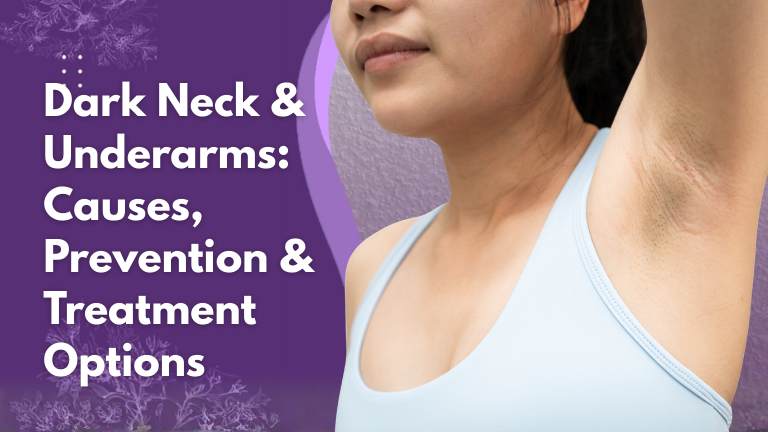
You wear full sleeves in summer. High-neck tops year-round. Not because of style—because your neck and underarms are darker than the rest of your body.
Scrubbing doesn’t help. Those “miracle” whitening creams from the pharmacy? Still waiting for miracles.
Here’s what nobody tells you: dark neck and underarms aren’t about hygiene. Scrubbing harder makes it worse. Most lightening creams don’t address the actual cause.
The darkening has specific triggers. Hormones. Friction. Insulin resistance. Sometimes all three at once.
This guide explains why darkening happens, what actually works to treat it, and how to prevent it from coming back. Real solutions based on dermatology, not Instagram ads.
Why Skin Gets Darker in These Areas
Your neck and underarms darken for different reasons than your face. The skin here is thinner. It folds and rubs against itself or clothing constantly.
This friction triggers melanin production. Add sweat, dead skin buildup, and hormonal factors—you get persistent darkening.
The Medical Term: Acanthosis Nigricans
When your neck develops thick, velvety, dark patches, doctors call it acanthosis nigricans. Sounds scary. Usually isn’t.
It appears in skin folds—neck, armpits, groin, under breasts. The skin gets darker and thicker. Sometimes it looks dirty even right after bathing.
Key point: this isn’t dirt. It’s a skin condition often linked to insulin resistance.
What Causes Dark Neck?
- Insulin Resistance and PCOS – Your body produces insulin but cells don’t respond properly. Excess insulin in blood stimulates skin cells and melanocytes. Result: dark, thick skin patches on neck. Very common in people with PCOS, prediabetes, or type 2 diabetes. If you have dark neck plus irregular periods or weight gain around the middle, check your blood sugar levels.
- Obesity – Extra weight often comes with insulin resistance. The connection: more fat cells, more insulin resistance, darker neck skin. Losing weight often lightens the neck naturally. Not always, but frequently.
- Hormonal Changes – Pregnancy, birth control pills, thyroid problems. All affect skin pigmentation. Neck darkening during pregnancy usually fades after delivery.
- Friction and Rubbing – Tight necklaces, rough clothing, constant rubbing. Chronic friction stimulates melanin production. Your skin darkens to protect itself.
- Poor Hygiene – Dead skin buildup makes darkness worse. Not the cause, but definitely a contributor.
- Genetics – Indian skin produces more melanin naturally. We’re more prone to hyperpigmentation everywhere, including neck and underarms.
What Causes Dark Underarms?
- Shaving – Biggest culprit. Shaving cuts hair at skin surface. Blunt ends look dark under thin skin. The appearance of darkness, not actual pigmentation change. Plus, shaving irritates skin. Irritation triggers melanin production. Post-inflammatory hyperpigmentation develops.
- Deodorants and Antiperspirants – Alcohol, fragrance, aluminum compounds. All can irritate sensitive underarm skin. Irritation leads to darkening.
- Friction from Tight Clothes – Tight sleeves, synthetic fabrics. Constant rubbing darkens underarm skin over time.
- Dead Skin Accumulation – Underarms fold and trap sweat. Dead cells stick around. They look gray or dark.
- Melasma – Hormone-related pigmentation. Can affect underarms too, not just face.
- Acanthosis Nigricans – Same insulin resistance condition affecting the neck. Underarms are another common location.
Medical Treatments for Dark Neck
See a dermatologist if home remedies aren’t working. Professional treatments target the root cause.
Prescription Topicals
- Tretinoin (Retin-A) – Increases cell turnover. Removes pigmented cells faster. Start with 0.025% cream at night. Takes 8-12 weeks. Can irritate initially—go slow.
- Hydroquinone – Blocks melanin production. Use 2-4% under supervision. Effective but careful on neck—sensitive skin here. Don’t use beyond 3 months continuously. Risk of ochronosis in Indian skin.
- Azelaic Acid – Gentler alternative. Reduces melanin, treats inflammation. Safe long-term. 15-20% prescription strength. Good for sensitive neck.
- Alpha Hydroxy Acids (AHAs) – Glycolic acid, lactic acid. Exfoliate dead skin, fade pigmentation. Use 8-12% for neck.
Professional Procedures
- Chemical Peels – Glycolic or lactic acid for neck. Need 4-6 sessions, 2-4 weeks apart. Mild peeling for 3-5 days. Don’t use harsh peels—neck skin is delicate.
- Laser Treatments – Q-Switched Nd:YAG safe for Indian skin. Multiple sessions needed. Not first choice for insulin-related darkening. Better for post-inflammatory hyperpigmentation.
Treating Underlying Causes
- For Insulin Resistance – Blood sugar control critical. No cream fixes insulin-related darkening without managing insulin. Metformin often prescribed. Weight loss, exercise, low-glycemic diet help. As insulin improves, skin lightens naturally.
- For Hormones – PCOS treatment, thyroid meds, or stopping triggering pills. Treat the imbalance, treat the skin.
Medical Treatments for Dark Underarms
Underarms need gentle treatments—skin folds and sweats constantly.
Topical Solutions
- Kojic Acid and Glycolic Acid – Good combination for underarms. Kojic reduces pigment. Glycolic exfoliates. Apply at night, wash in morning.
- Vitamin C Serum – Brightens skin. 10-15% L-ascorbic acid. Apply to clean, dry underarms.
- Niacinamide – Vitamin B3. Gentle, daily use safe. 4-5% concentration reduces melanin transfer.
- Retinoids – Adapalene gel 0.1% milder than tretinoin. Use 2-3 times weekly initially.
Professional Treatments
- Chemical Peels – Lactic acid peels work well for underarms. Gentle but effective. Need 4-6 sessions.
- Laser Hair Removal – If shaving causes darkness, stop shaving. Laser removes hair permanently. Eliminates “shadow” from hair beneath skin. Stops shaving irritation. Q-Switched Nd:YAG safe for Indian skin. Need 6-8 sessions.
Deodorant Changes
Switch to natural deodorants. Avoid aluminum, alcohol, fragrances. Try crystal deodorants, baking soda-based, or alum blocks. Apply only on completely dry skin.
Home Remedies That Actually Help
Home treatments won’t fix insulin resistance or hormones. But they improve appearance and prevent worsening.
For Dark Neck
- Aloe Vera – Anti-inflammatory. Contains aloesin reducing melanin. Apply fresh gel 20 minutes daily. Gentle and safe.
- Diluted Apple Cider Vinegar – Mix 1 part ACV with 3 parts water. Apply with cotton pad 10 minutes, rinse. Use 3-4 times weekly. Undiluted burns skin.
- Baking Soda Scrub – Exfoliates dead skin. Mix with water, scrub gently once weekly. Don’t overdo—irritation makes darkening worse.
- Lemon and Honey – Mix equal parts. Apply 15 minutes at night only. Never apply lemon before sun—makes skin photosensitive.
For Dark Underarms
- Potato Slices – Mild acids and vitamin C. Rub fresh slice, leave juice 15 minutes. Takes weeks for subtle lightening.
- Cucumber Juice – Soothing and mildly lightening. Blend, apply juice 20 minutes.
- Coconut Oil – Moisturizes, prevents friction. Massage into underarms before bed.
- Gram Flour (Besan) Pack – Mix with yogurt or milk. Apply, leave till dry, scrub off. Exfoliates dead cells. Lactic acid in yogurt helps.
Skip These
- Harsh Scrubbing – Damages skin. Triggers more melanin.
- Toothpaste – Burns skin. Internet myth.
- Undiluted Lemon – Too acidic. Causes photosensitivity.
Prevention Strategies That Actually Work
Preventing darkening is easier than treating it. These strategies work for both neck and underarms.
Daily Habits
- Exfoliate Gently and Regularly – Remove dead skin before it accumulates. Use gentle scrubs or chemical exfoliants 2-3 times weekly.
- For neck: soft washcloth or gentle AHA toner. For underarms: mild scrub or exfoliating gloves.
- Moisturize Daily – Hydrated skin is healthy skin. Prevents friction damage. Use fragrance-free lotions.
- For underarms, moisturize at night (not right before deodorant).
- Wear Loose, Breathable Clothing – Reduces friction. Cotton is better than synthetic fabrics. Especially important for underarms.
- Apply Sunscreen on Neck – Neck is exposed to sun constantly. UV darkens pigmentation. Use SPF 50 daily on neck.
Lifestyle Changes
- Manage Blood Sugar – If you have insulin resistance, prediabetes, or diabetes, control your blood sugar. This is non-negotiable for treating acanthosis nigricans.
- Low-glycemic diet, regular exercise, medications if prescribed. Monitor blood sugar levels regularly.
- Maintain Healthy Weight – Extra weight often linked to insulin resistance. Gradual, sustainable weight loss helps lighten neck darkening naturally.
- Check Thyroid Levels – Thyroid problems affect skin pigmentation. If you have unexplained darkening plus fatigue or weight changes, get thyroid tested.
Underarm-Specific Prevention
- Stop Shaving – Switch to waxing, sugaring, or laser hair removal. Shaving is the biggest darkening trigger for underarms.
- If you must shave, use sharp razors, shaving cream, and gentle technique.
- Choose Deodorants Carefully – Fragrance-free, alcohol-free formulas. Avoid antiperspirants with aluminum if they irritate your skin.
- Let Underarms Breathe – When home, wear sleeveless or loose clothing. Give skin break from constant covering.
When to See a Dermatologist
Some darkening needs professional evaluation. Don’t delay if you notice:
- Sudden, Rapid Darkening – Especially on neck. Could indicate insulin resistance or diabetes developing. Needs blood tests.
- Thick, Velvety Texture – Classic sign of acanthosis nigricans. Requires medical evaluation for underlying causes.
- No Improvement with Home Care – Tried everything for 3 months. No change. Time for professional help.
- Darkening After Starting New Medication – Some medications cause pigmentation. Doctor might adjust or change prescription.
- Additional Symptoms – Weight gain, fatigue, irregular periods, increased thirst. These plus dark neck mean get checked for PCOS, diabetes, or thyroid issues.
Realistic Timeline for Improvement
Patience is required. Skin doesn’t lighten overnight.
- Home Remedies – Expect 8-12 weeks for subtle improvement. Results are gradual and modest. Good for mild darkening.
- Prescription Topicals – 6-8 weeks for visible lightening. 3-4 months for significant improvement. Consistency matters more than specific product.
- Chemical Peels – Improvement after 2-3 sessions. Full results after completing 4-6 session series. Total time: 4-5 months.
- Laser Treatments – Progressive lightening over 4-6 sessions. Final results: 6 months after last treatment.
- Weight Loss and Blood Sugar Control – Skin lightening follows metabolic improvement. Can take 6-12 months. But improvements are lasting once achieved.
Rushing doesn’t help. Skin has its own timeline.
Conclusion
Dark neck and underarms aren’t about being unclean. They signal something happening inside your body. Friction, hormones, insulin resistance.
Effective treatment addresses the cause, not just the symptom. Bleaching creams alone won’t fix insulin resistance. Scrubbing won’t cure PCOS.
Start with:
- Blood sugar check if neck is thick and dark
- Gentle exfoliation and moisturizing
- Sun protection for neck
- Stop shaving underarms (switch to laser or waxing)
- Patience with treatments
For stubborn darkening, see a dermatologist. They’ll evaluate underlying causes and create proper treatment plan.
Indian skin requires extra care. We’re prone to pigmentation but also to post-inflammatory hyperpigmentation from harsh treatments. Gentle, consistent approach works better than aggressive products.
Your skin can improve. Results take time. Realistic expectations and proper treatment make the difference.
Frequently Asked Questions
- How can I remove darkness from my neck naturally at home?
Use gentle exfoliation 2-3 times weekly with AHA toners or mild scrubs. Apply aloe vera gel daily for soothing and mild brightening. Try diluted apple cider vinegar (1:3 ratio) 3 times weekly. Moisturize daily and use sunscreen. Results take 8-12 weeks. For thick, velvety darkening (acanthosis nigricans), home remedies won’t work—see dermatologist and check blood sugar.
- Why are my underarms dark even though I maintain good hygiene?
Hygiene isn’t the cause. Main culprits: shaving (creates shadow from hair beneath skin and causes irritation), deodorant irritation (alcohol and aluminum compounds), friction from tight clothing, and hormonal factors. Post-inflammatory hyperpigmentation develops from repeated irritation. Switch to laser hair removal, change deodorant, wear loose cotton clothing. Darkness should improve over 2-3 months.
- Does dark neck mean I have diabetes?
Not always, but thick, velvety dark patches on neck (acanthosis nigricans) strongly associate with insulin resistance, prediabetes, or type 2 diabetes. About 74% of people with this type of darkening have insulin problems. Get fasting blood sugar, HbA1c, and insulin levels checked. Early detection helps. Dark neck without thickness might be from friction, hormones, or sun exposure instead.
- Which cream is best for dark underarms?
No single “best” cream exists. Effective options: kojic acid with glycolic acid combinations, vitamin C serums (10-15%), niacinamide creams (4-5%), or prescription tretinoin 0.025%. Avoid harsh bleaching creams with mercury or steroids. Choose based on skin sensitivity. Apply at night, wash off in morning, then use deodorant. Combine with stopping shaving for best results. Takes 6-8 weeks.
- Can dark neck and underarms be cured permanently?
Depends on the cause. If caused by insulin resistance or PCOS, controlling the underlying condition prevents recurrence. If from shaving irritation, switching to laser hair removal solves it permanently. If from friction or deodorant irritation, avoiding triggers prevents return. Genetic tendency toward hyperpigmentation means you’re always somewhat prone. Maintenance with gentle exfoliation and sun protection keeps results long-term.