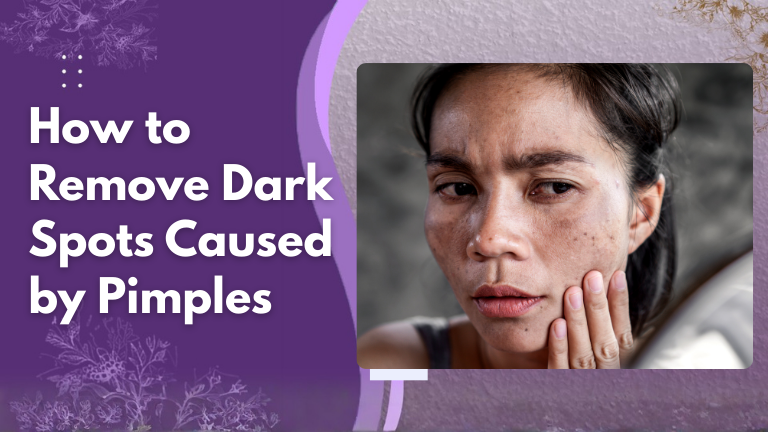
Your pimple healed. But the dark mark stayed.
You’ve got a collection of these spots now. Old acne marks on your cheeks. Dark patches where breakouts used to be. Some are months old. Some from years ago.
Regular concealer doesn’t cover them. You’ve tried face creams promising to fade marks. Still there.
Here’s what’s happening: when pimples heal, they often leave post-inflammatory hyperpigmentation behind. That’s the medical term for those stubborn dark spots. Indian skin is particularly prone to this—our melanin production goes into overdrive after any skin injury.
This guide explains why pimples leave dark spots, which treatments actually fade them, and most importantly—how to stop new ones from forming.
Real solutions, not another list of “miracle” ingredients that don’t work.
Why Pimples Leave Dark Spots
The dark spot isn’t part of the pimple. It’s your skin’s response to inflammation.
When you get a pimple, your skin experiences trauma. Inflammation from the breakout triggers melanocytes—cells producing melanin. These cells go into overdrive mode. They produce excess melanin at the injury site. This extra melanin is what creates the dark mark.
Think of it like a bruise. The original injury heals. But the discoloration lingers much longer.
Post-Inflammatory Hyperpigmentation (PIH)
That’s the official name for acne dark spots. Post-inflammatory hyperpigmentation. PIH for short.
Happens after any inflammatory skin condition—acne, cuts, burns, rashes, eczema. But acne is the most common trigger.
Indian skin, African skin, Asian skin—darker skin types develop PIH more easily than fair skin. Your melanocytes are more reactive. More inflammation equals more melanin production equals darker marks.
Factors Making Dark Spots Worse
- Picking at Pimples – Squeezing, scratching, picking. Each time you touch an active breakout, you increase inflammation. More inflammation means darker marks afterward.
- Sun Exposure – UV radiation darkens existing marks significantly. That PIH spot that might fade in 3 months? With sun exposure, it could take 12 months or never fully fade.
- Skin Type – Type IV-VI skin (medium brown to very dark) develops PIH more readily. If you’re Indian with naturally tan or brown skin, you’re genetically predisposed.
- Deeper Acne – Cystic acne, nodular acne. These penetrate deeper into skin layers. Deeper damage creates darker, longer-lasting marks.
- Delay in Treatment – The longer PIH sits untreated, the harder it becomes to fade. Fresh marks (under 3 months) respond much better to treatment.
Medical Treatments That Actually Work
Home remedies have limits. For stubborn marks, medical treatments deliver faster results.
Topical Prescription Treatments
- Hydroquinone – Gold standard. Inhibits melanin-producing enzyme. 2% over-counter, 4% prescription. Works in 4-8 weeks. Indian skin warning: use in cycles (3 months maximum) to avoid ochronosis—paradoxical darkening.
- Tretinoin (Retin-A) – Vitamin A derivative. Speeds cell turnover. Start 0.025%, apply every other night. Takes 8-12 weeks. Causes dryness—normal response.
- Azelaic Acid – Reduces melanin production. Antibacterial—treats acne and PIH together. 15-20% prescription strength. Gentler than hydroquinone. Safe long-term for Indian skin.
- Niacinamide – Vitamin B3. Reduces melanin transfer. 4-5% concentration. Very gentle, daily use. Works with other treatments. Takes 8-12 weeks.
Professional Treatments
- Chemical Peels – Removes pigmented top layers. Glycolic acid, salicylic acid, or mandelic acid peels. Need 4-6 sessions, 2-4 weeks apart. Downtime: 3-7 days flaking.
- Microneedling – Controlled micro-injuries trigger collagen. Often combined with vitamin C. Need 4-6 monthly sessions. Minimal downtime. Safe all skin types.
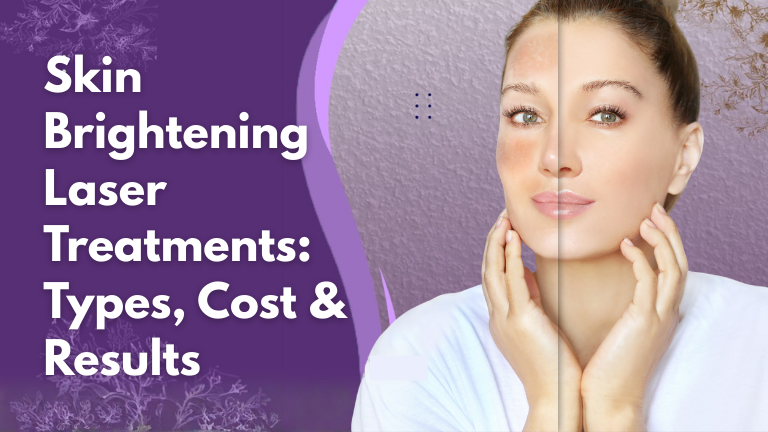
- Laser Treatments – Q-Switched Nd:YAG breaks up melanin. Safe for Indian skin when done correctly. Need 4-6 sessions. Higher cost, faster results.
Combination Therapy
Most dermatologists combine treatments:
Results improve and appear faster. Must be supervised—combinations can irritate.
Home Remedies and Over-Counter Options
Medical treatments work best. But home care supports treatment.
Effective Over-Counter Ingredients
- Vitamin C Serum – 10-20% L-ascorbic acid. Brightens, reduces melanin. Apply mornings under sunscreen. Must be fresh—brown color means oxidized (useless).
- Alpha Arbutin – 2% concentration. Slowly releases hydroquinone-like effects. Gentler for Indian skin. Takes 8-12 weeks.
- Niacinamide – 2-5% in over-counter products. Very safe daily use. Works synergistically with other ingredients.
- Retinol – Over-counter tretinoin. 0.3-1% concentration. Helps cell turnover and fading. Start every third night, build tolerance.
Natural Remedies: Mild Benefits
- Aloe Vera Gel – Contains aloesin. May inhibit melanin. Anti-inflammatory. Fresh gel from plant. Don’t expect dramatic results.
- Green Tea – Antioxidant properties. Cooled green tea as toner or products with extract.
- Turmeric – Anti-inflammatory. Mix with milk or honey. Spot treatment at night. Stains temporarily. Very mild effect.
Skip These
- Lemon Juice – Too harsh. Burns skin. Increases photosensitivity. Creates more pigmentation. Don’t use.
- Toothpaste – Irritates skin. Causes inflammation. Internet myth.
- Baking Soda – Damages skin barrier. Makes things worse.
- Undiluted ACV – Burns skin. Extreme photosensitivity. Avoid.
Daily Skincare Routine for Fading Dark Spots
Consistent routine matters more than fancy products. Here’s what works.
Morning Routine
- Step 1: Gentle Cleanser – Mild, pH-balanced cleanser. Don’t strip skin. Removes overnight oil and prep for treatments.
- Step 2: Vitamin C Serum – 10-20% L-ascorbic acid. Apply on clean, dry skin. Wait 2 minutes.
- Step 3: Niacinamide – If not combined with vitamin C (some people experience flushing when combined). Or use niacinamide in moisturizer.
- Step 4: Moisturizer – Lightweight, non-comedogenic. Hyaluronic acid based works well.
- Step 5: Sunscreen (CRITICAL) – SPF 50+ broad spectrum. PA++++. Reapply every 2-3 hours. This is THE most important step. Without sunscreen, nothing else works.
Night Routine
- Step 1: Double Cleanse – Oil cleanser first (removes sunscreen completely). Water-based cleanser second.
- Step 2: Treatment Serum – Prescription tretinoin, retinol, or other prescribed treatment. Apply to affected areas.
- Step 3: Spot Treatment – If prescribed, apply hydroquinone or other lightening agent only on dark spots.
- Step 4: Moisturizer – Heavier than morning moisturizer. Helps reduce irritation from actives.
Weekly Additions
- Exfoliation 1-2x Weekly – Gentle AHA/BHA toner or leave-on treatment. Don’t use harsh scrubs—they cause inflammation.
- Mask 1-2x Weekly – Brightening mask with vitamin C, licorice, or niacinamide. Leave on 15-20 minutes.
How Long Does It Take to See Results?
Managing expectations is crucial. Dark spots don’t vanish overnight.
Realistic Timeline
Fresh PIH (Under 3 Months Old):
- With treatment: 6-12 weeks for significant fading
- Without treatment: 3-6 months to fade naturally
- Sunscreen alone: Prevents worsening, slow natural fading
Older PIH (Over 6 Months):
- With treatment: 3-6 months for noticeable improvement
- Without treatment: 6-24 months (may never fully fade)
- Often needs professional treatments plus topicals
Very Old PIH (Years):
- With treatment: 6-12 months minimum
- May not completely fade—can improve 50-70%
- Usually requires professional treatments
Factors Affecting Healing Time
Your Skin Type – Lighter skin typically sees faster fading. Darker skin takes longer but can achieve good results with proper treatment.
- Spot Darkness – Deeper, darker marks take longer. Light brown fades faster than very dark brown or black.
- Sun Protection – Strict sun protection crucial. UV exposure can undo months of treatment progress.
- Consistency – Using treatments sporadically doesn’t work. Daily use required for results.
- Overall Health – Good sleep, low stress, healthy diet support skin healing.
Preventing New Dark Spots
Treatment is one thing. Prevention stops new problems from forming.
Stop Picking at Pimples
Single most important prevention strategy. Every squeeze, every pick, every prod—you’re guaranteeing a dark spot.
Hands off your face. If you absolutely must extract something, see dermatologist for professional extraction.
Treat Active Acne
Can’t prevent PIH without controlling acne first. Get acne under control with:
- Salicylic acid cleansers
- Benzoyl peroxide spot treatments
- Prescription treatments if needed (retinoids, antibiotics)
The fewer breakouts you get, the fewer dark spots you’ll develop.
Sun Protection is Non-Negotiable
Sun exposure darkens PIH dramatically. Makes treatment ineffective. Causes marks to last months or years longer.
Daily SPF 50+ broad spectrum. Reapply every 2-3 hours when outdoors. Use umbrella, wear hat, seek shade. Physical sunscreens (zinc oxide) work best for hyperpigmentation.
Anti-Inflammatory Skincare
Reduce inflammation at every opportunity:
- Gentle cleansers (no harsh scrubs)
- Fragrance-free products
- Soothing ingredients (centella, niacinamide, green tea)
- Avoid irritating ingredients
Less inflammation means less melanin production means fewer dark spots.
Prompt Treatment
Don’t wait months to address dark spots. Start treatment as soon as pimple heals. Fresh PIH responds much better than old PIH.
Keep vitamin C serum and niacinamide on hand. Apply to healing breakouts immediately.
When to See a Dermatologist
Some situations need professional help.
See a doctor if:
- Dark spots getting darker despite home treatment
- Multiple dark spots covering large face areas
- PIH older than 6 months not responding to over-counter products
- Active acne creating constant new dark spots
- You want faster results than home treatments provide
- You’re considering professional treatments (peels, lasers, microneedling)
Dermatologist can:
- Prescribe stronger treatments
- Perform in-office procedures
- Create customized treatment plan
- Monitor for side effects
- Adjust treatments based on progress
Worth the investment for stubborn cases.
Conclusion
Dark spots from pimples are frustrating. But they’re treatable.
Success requires:
- Understanding what you’re dealing with (post-inflammatory hyperpigmentation)
- Choosing appropriate treatments (medical treatments work faster than home remedies)
- Consistency (daily routine, no skipping)
- Patience (results take weeks to months)
- Sun protection (absolute necessity)
- Prevention (stop picking, treat acne, use gentle skincare)
For Indian skin, Q-switched lasers and chemical peels work well when done by experienced practitioners. Hydroquinone and tretinoin are effective but need careful use. Over-counter vitamin C and niacinamide provide gentler options.
Most dark spots fade significantly with proper treatment. Complete clearing isn’t always possible for very old marks. But 70-90% improvement is realistic goal for fresh to moderate PIH.
Start with gentle over-counter products. If no improvement in 8-12 weeks, see dermatologist for prescription options or professional treatments.
Your skin can clear. Takes time and right approach. But those dark spots don’t have to be permanent.
Frequently Asked Questions
- How can I remove pimple marks naturally at home?
Fresh marks respond to vitamin C serum (10-20%), niacinamide cream (2-5%), and alpha arbutin (2%). Apply daily with strict SPF 50+ sunscreen. Aloe vera gel provides mild benefits. Expect 8-12 weeks for visible improvement on fresh marks. Old marks (over 6 months) typically need medical treatments—hydroquinone, tretinoin, or professional procedures like chemical peels. Natural remedies work slowly; patience required.
- What is the fastest way to remove dark spots from pimples?
Professional treatments give fastest results. Chemical peels show improvement after 2-3 sessions (6-8 weeks total). Prescription combination cream (tretinoin + hydroquinone) fades marks in 4-8 weeks. Q-switched laser treatments work in 4-6 sessions over 3-4 months. Over-counter products take 12-16 weeks minimum. No legitimate overnight solution exists. Fast results require dermatologist supervision. Always combine with sunscreen—critical for preventing darkening.
- Do dark spots from acne go away on their own?
Fresh marks (under 3 months) often fade naturally in 3-6 months with good sun protection. Older marks may take 1-2 years or never fully fade without treatment. Indian skin (Type IV-VI) takes longer than fair skin due to higher melanin activity. Severity matters—light brown spots fade easier than very dark marks. Sun exposure prevents natural fading. Treatment speeds process significantly and prevents permanent pigmentation.
- Which cream is best for removing pimple dark spots?
Prescription: 4% hydroquinone (most effective, use in cycles) or 0.05% tretinoin combined with vitamin C. Over-counter: niacinamide 5% cream, vitamin C serum 15-20% L-ascorbic acid, alpha arbutin 2%. Best results from combination approach—morning vitamin C plus sunscreen, night tretinoin or retinol. Indian brands: Kaya, Dermaco, Minimalist, The Derma Co have effective formulations. Consult dermatologist for prescription-strength options.
- How long do acne dark spots take to fade completely?
Fresh PIH (under 3 months): 2-4 months with treatment, 3-6 months without. Moderate PIH (3-6 months old): 4-8 months with treatment, 6-12 months without. Old PIH (over 1 year): 6-12+ months with treatment, may never fully fade without treatment. Complete fading not always achievable—expect 70-90% improvement. Indian skin takes longer than fair skin. Consistent sunscreen use critical throughout entire process.