
Tips to Recover Dry, Frizzy & Damaged Hair Naturally
 By WEA Clinic
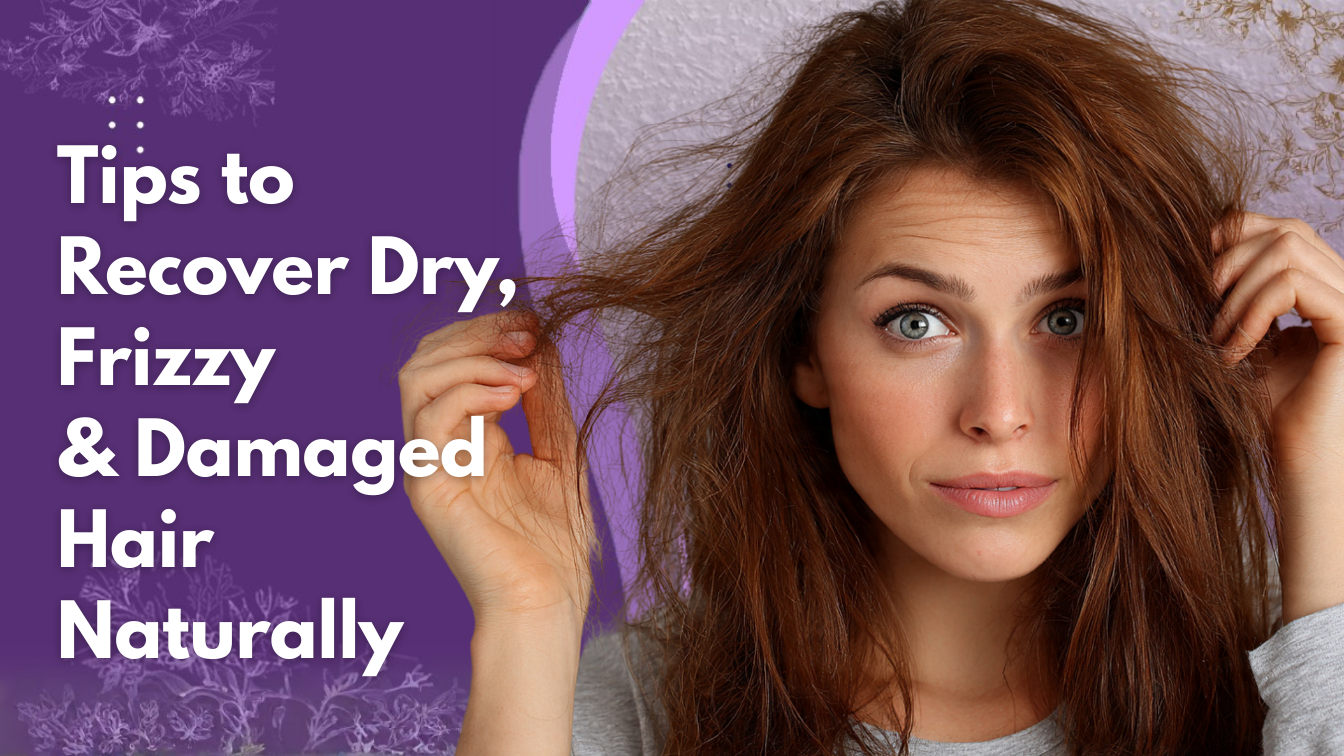
We’ve all had those days when hair feels like straw, frizz explodes the second you step outside, and no amount of brushing helps.
The damage didn’t appear overnight. Years of flat irons, bleach, hard water, pollution, overwashing, tight ponytails and skimping on protein slowly rough up the cuticle, snap protein bonds and throw off the natural oil-moisture balance.
The hopeful part?
Most of this damage can be repaired without chopping off length as long as you stop hurting it and start giving it what it’s actually missing.
These are practical, dermatologist-backed ways to bring back softness, smoothness, and shine. No magic potions, no “use this once and wake up with mermaid hair” promises, just habits that really work when you stick with them for 8–16 weeks.
Stop Making It Worse
You can’t rebuild while you’re still tearing down.
Do these right now and most people notice way less breakage in just 3–4 weeks:
- Switch to a gentle, sulphate-free shampoo (pH 4.5–5.5) wash 2–4 times a week at most
- Air-dry when you can, or use a diffuser on the lowest heat setting
- Detangle only when hair is soaking wet and coated in conditioner use a wide-tooth comb
- Swap your cotton towel for a microfibre one or an old soft t-shirt blot gently, never rub
- Sleep on silk or satin (pillowcase or bonnet) cuts friction overnight
- Keep styles loose no tight ponytails, buns or clips every single day
- If your water is hard, get a shower filter or use a chelating shampoo once every 10–14 days
- Clarify buildup once a month so products can actually reach the hair
Once the daily damage stops, repair actually has a chance.
Feed the Protein that Hair is Made of
Damaged hair is literally low on protein — the keratin links are broken.
Bring strength back with these:
- Use a weekly protein mask with hydrolysed keratin, hydrolysed silk or hydrolysed wheat protein (choose ones with small molecules 300–1000 Da so they can actually get inside) leave on 10–20 minutes
- Try a bond-building treatment like Olaplex No.3, K18, Redken Acidic Bonding or L’Oréal Absolut Repair Molecular once a week or every other week
- Take collagen peptides (10 g daily, marine or bovine) a 2019 study showed thicker, stronger strands after 90 days
- Once a week do a simple egg yolk + olive oil mask the lecithin and fats give a temporary cuticle-sealing boost
Watch out too much protein makes hair stiff and brittle. Always follow with moisture.
Bring Back the Oils & Smooth the Surface
A healthy cuticle lies flat like overlapping roof tiles it reflects light and holds moisture inside.
When it’s rough and lifted, you get frizz, dullness and breakage.
Lipid-loving routine that actually helps:
- Use a leave-in with ceramides + fatty alcohols look for Cetearyl alcohol, Behentrimonium methosulfate or ceramides on the label
- Apply 2–3 drops of argan, marula, camellia or abyssinian oil on mid-lengths to ends every day (never on the scalp if you’re oily)
- Finish every shampoo with a cold rinse shocks the cuticle scales closed for instant shine
- Do an apple cider vinegar rinse once a week (1 part ACV to 4 parts water) — brings pH back to 4.5–5.5
- Book an in-salon Olaplex No.2 or K18 molecular repair during your next cut or colour strongest bond + lipid repair in one go
Shiny, smooth hair = sealed cuticle + restored natural oils.
Hydrate Smart
Dry hair is desperate for water but thick oils and heavy silicones just coat the outside.
Lightweight hydration that actually sinks in:
- Hyaluronic acid + glycerin + panthenol serum apply on damp hair after washing
- Fresh aloe vera gel use as a pre-shampoo treatment or light leave-in for fine hair
- Honey + plain yoghurt mask once a week. Honey pulls in moisture, yoghurt’s lactic acid gently smooths
- Overnight water-based mask mix aloe gel + hyaluronic acid + a few drops glycerin, apply under a shower cap
- Run a humidifier in your bedroom stops hair from losing moisture while you sleep
Protect What You’ve Fixed
Once hair starts feeling better, keep it that way:
- Use a broad-spectrum SPF spray for hair when you’re outside (UV breaks keratin)
- Wear a silk scarf or cap during dusty travel or heavy pollution days
- Apply heat protectant even on low heat look for dimethicone + polymers
- Trim 0.5–1 cm every 10–12 weeks stops split ends from climbing up
- Space out chemical services at least 8–12 weeks between colour, relaxers or perms
Nutrients That Help From the Inside
Hair is mostly protein feed it properly:
- Protein aim for 1.2–1.6 g per kg body weight (eggs, fish, chicken, paneer, lentils, sprouts)
- Omega-3 fats 1–2 g EPA/DHA (salmon, flaxseeds, walnuts)
- Iron + vitamin C together keep ferritin >70 ng/mL (spinach + lemon, amla, guava)
- Zinc 15–30 mg (pumpkin seeds, sesame, chickpeas)
- Vitamin E 15–100 IU natural form (almonds, sunflower seeds)
- B-complex only if you’re low (eggs, peanuts, whole grains)
Crash diets trigger massive shedding avoid anything under 1200 kcal/day.
Everyday Habits That Change Everything
- Sleep 7–9 hours growth hormone repairs hair overnight
- Lower stress high cortisol harms follicles (try 10 min slow breathing daily)
- Drink 2.5–3.5 L water dehydration makes strands brittle
- Detangle gently on wet hair only with conditioner
- Blot, don’t rub with towel rubbing lifts cuticles
- Limit high ponytails & tight clips
- Clarify hard-water buildup monthly
When Home Care Isn’t Enough
If your hair still feels rough, snaps easily or keeps thinning after 3–4 months of solid effort:
- Ask for blood tests (ferritin, vitamin D, B12, zinc, thyroid)
- Consider low-dose oral minoxidil (only under dermatologist guidance)
- Try PRP or GFC scalp injections
- Use a low-level laser therapy cap at home
Conclusion
Tips to recover damaged hair naturally work best when you stop hurting it first, then rebuild protein, oils and moisture in the right order.
Most people feel 40–70 % softer, shinier, stronger hair in 8–16 weeks with gentle routines, weekly protein treatments, smart hydration, and better nutrition.
No single product or overnight mask undoes years of heat and bleach, but steady small changes do.
Be kind to your hair.
It grows about 1 cm a month the healthy new length just needs time to show.
Start with one easy switch today gentler washing and daily scalp massage.
You’ll feel the difference sooner than you think.
FAQs
1. How can I recover damaged hair naturally at home?
Stop heat & chemicals, massage scalp daily, use weekly protein mask (keratin/collagen), apply leave-in with ceramides + hyaluronic, eat more iron + protein.
2. How do I fix damaged hair without cutting it?
Bond-builders (Olaplex/K18), protein + lipid masks 1–2×/week, cold rinse after shampoo, silk pillowcase, trim only split ends every 10–12 weeks.
3. What’s the fastest home remedy for dry damaged hair?
Weekly hydrolysed keratin mask + daily argan or marula oil on ends + cold rinse + sleep with head slightly elevated quickest texture improvement in 3–6 weeks.
4. How long does it take to recover damaged hair naturally?
Noticeable softness & strength in 8–16 weeks; full healthy length takes 6–18 months depending on how damaged it was.
5. Which deficiency makes hair dry, frizzy, and damaged?
Low iron (ferritin <70), vitamin D, omega-3 fats, overall protein shortage, and zinc all make strands brittle and frizzy.
6. Can home remedies fix severe heat or bleach damage?
Mild to moderate, yes (60–80 % better). Severe damage needs salon bond-builders and trimming dead ends eventually.
7. Which oil is best for recovering damaged hair at home?
Argan, marula or camellia lightweight, rich in oleic/linoleic acids, seal the cuticle without making hair greasy.