
How to Reduce Large Pores on Face Permanently
 By WEA Clinic
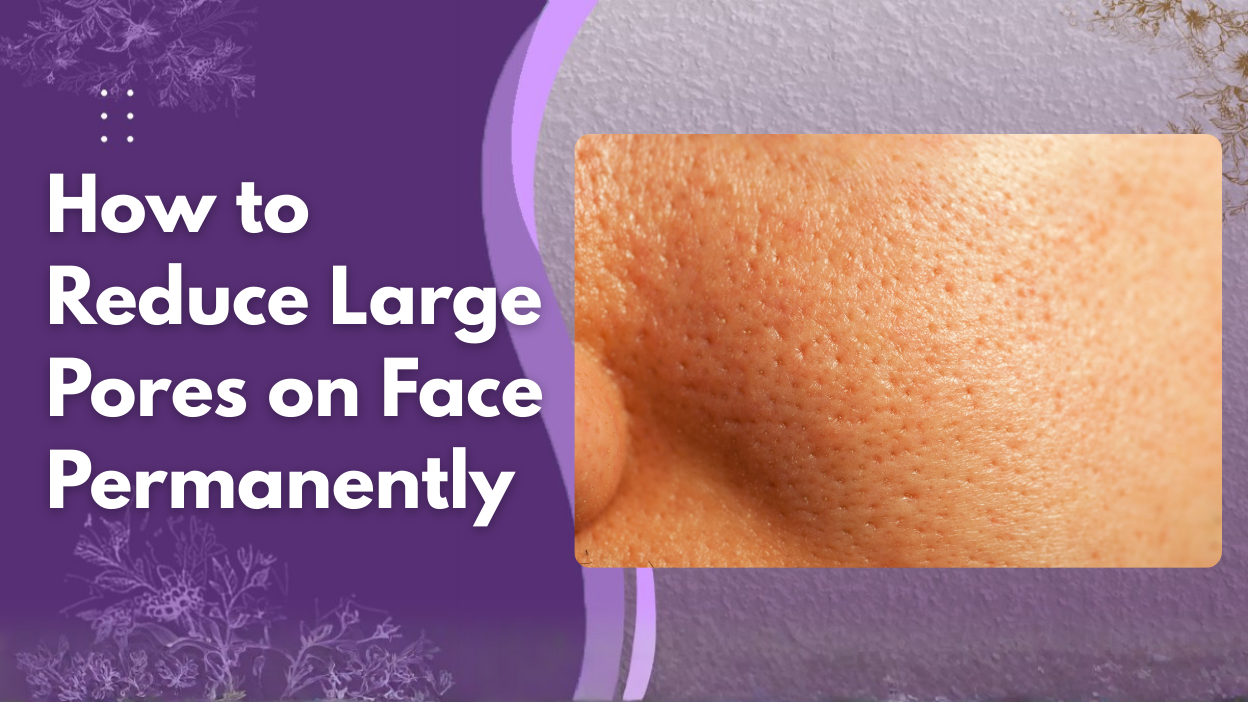
Your pores look huge in the mirror. Close-up photos show every single one. Foundation settles into them by afternoon.
You’ve tried pore-minimizing primers. Three different ones. Bought that viral toner everyone swears by. Still have large, visible pores.
Here’s the truth: you can’t actually make pores smaller permanently. Their size is mostly genetic. But you can make them appear significantly smaller. And certain treatments can tighten them long-term.
Pores look large for specific reasons—excess oil, loss of skin elasticity, sun damage, aging. Address these causes and pores visibly shrink. Ignore them and no primer will help.
This guide explains what actually causes large pores, which treatments genuinely work, and how to maintain results. We’ll separate real solutions from marketing gimmicks.
No promises of “closing” pores forever. Just honest information about minimizing their appearance effectively.
Quick Answer: How to Minimize Large Pores?
You cannot permanently close pores, but you can reduce their appearance by 30 to 60 percent. The most effective approach combines an in-clinic treatment (RF microneedling or chemical peel) with a daily skincare routine using retinoids, niacinamide, and SPF 50 sunscreen. Results build over 3 to 6 months. No primer, toner, or strip will achieve lasting results on their own.
Why Pores Look Large
Pores are openings for hair follicles and sebaceous glands. Everybody has them. Some people’s just look bigger.
Your pore size is primarily genetic. Born with large pores? You’ll always have larger pores than someone genetically blessed with small ones. Can’t change genetics.
But several factors make genetically large pores look even bigger.
Excess Sebum Production
Oily skin equals more visible pores. Your sebaceous glands produce oil (sebum). When production goes into overdrive, excess oil accumulates in pores. This makes them stretch and appear larger.
Indian skin, especially in humid climates, tends toward oiliness. More oil means more visible pores.
Hormones significantly affect sebum production. Puberty, menstrual cycles, PCOS, stress—all increase oil production. This is why pores often look worse during certain times of month or life.
Loss of Elasticity
Young skin has collagen and elastin. These proteins keep skin firm and tight. Tight skin holds pores in their smallest natural size.
Aging reduces collagen. Sun damage destroys it faster. Without structural support, skin loses firmness. Pores that were small and tight start sagging. They look bigger because surrounding skin isn’t holding them snugly anymore.
Think of a trampoline. New and tight, the holes stay small. Old and stretched, those holes gap open. Same concept with pores.
Clogged Pores
Dead skin cells, excess oil, dirt, makeup—these clog pores. A clogged pore stretches to accommodate the blockage. Stretched pore looks bigger.
Blackheads are classic example. The oxidized sebum and dead cells fill the pore completely. Pore stretches around this plug. Remove the blackhead and pore remains stretched for a while.
Chronic clogging over years permanently stretches pores.
Sun Damage
UV radiation breaks down collagen and elastin. As explained, less structural support means saggy skin and larger-looking pores.
Sun damage also thickens the skin’s outer layer. This makes pore openings appear more prominent.
UV exposure is single biggest preventable cause of enlarged pores. Yet most people ignore sunscreen.
Aging
Can’t avoid aging. But understanding helps.
After 30, collagen production decreases about 1% yearly. Less collagen means less skin firmness. Pores appear progressively larger with each decade.
Hormonal changes during menopause further reduce collagen and increase skin dryness. Dry skin often makes pores look more prominent.
Medical Treatments for Large Pores
Topical products help maintenance. Professional treatments deliver significant, lasting results.
Laser Treatments
Fractional Laser Resurfacing – Creates controlled micro-injuries. Triggers collagen production and skin remodeling. Tightens skin around pores.
Types: CO2 (more aggressive, better results, more downtime) or Erbium (gentler, less downtime).
Need 3-5 sessions, 4-6 weeks apart. Downtime: 5-7 days redness. Results over 3-6 months. Can reduce pore appearance 30-50%.
Non-Ablative Lasers – Heat dermis without surface damage. Stimulates collagen with zero downtime. Less dramatic but convenient. Need 4-6 monthly sessions.
Microneedling with Radiofrequency
Combines microneedling with RF energy. Both stimulate collagen. Very effective for pore reduction.
Need 3-4 monthly sessions. Minimal downtime—1-2 days redness. Results over 3-6 months. Can reduce pore appearance 40-60%.
Safe for all skin types including dark Indian skin.
Chemical Peels
- Salicylic Acid – Penetrates pores. Excellent for oily skin. Clears blockages.
- Glycolic Acid – Removes surface layers. Improves texture. Mild tightening.
- TCA – Stronger. Deeper penetration. Better collagen stimulation.
Need 4-6 sessions for visible reduction. Maintenance every 3-6 months sustains results.
Retinoid Treatments
Prescription Tretinoin – Increases cell turnover. Unclogs pores. Stimulates collagen. Start 0.025-0.05%. Apply nightly. Takes 12-16 weeks. Long-term use (6-12 months) shows best results.
Laser Skin Resurfacing
Laser skin resurfacing uses controlled energy to resurface the skin, trigger collagen production, and tighten the dermis around pores. Fractional CO2 lasers give the most dramatic results (30 to 50 percent improvement) but carry a higher risk of PIH on darker skin. Non-ablative lasers deliver heat to the dermis without surface damage, offering a zero-downtime option with more modest results.
For most Indian patients, non-ablative or fractional Erbium lasers are safer starting points than CO2. A dermatologist experienced with darker skin tones must assess your suitability before any laser procedure.
HIFU
When pores look large primarily because skin has lost firmness and begun to sag, HIFU (High-Intensity Focused Ultrasound) addresses the root cause directly. It delivers focused ultrasound energy to the SMAS layer (the deep structural layer below the dermis), triggering tissue contraction and neocollagenesis. The skin literally lifts and firms from within. This is particularly effective for patients over 35 where collagen loss is the dominant cause of pore visibility.
Skin Rejuvenation Treatments — The Maintenance Layer
Between intensive treatment sessions, skin rejuvenation treatments including HydraFacial, IPL resurfacing, and LED therapy keep pores clear, maintain results, and address ancillary concerns like pigmentation and skin texture that make pores look more prominent.
Skincare Products That Actually Help
Professional treatments work best. Daily skincare maintains results.
Key Ingredients
- Retinoids – Tretinoin (prescription) or retinol (over-counter 0.3-1%). Increases cell turnover. Unclogs pores. Stimulates collagen. Start slow—every third night.
- Niacinamide – Vitamin B3. Regulates sebum. Improves elasticity. Use 5-10% daily. Takes 8-12 weeks. Excellent for Indian skin.
- Salicylic Acid – 2% leave-on products. Penetrates pores. Dissolves sebum and dead cells. Daily use keeps pores clear.
- Alpha Hydroxy Acids – Glycolic or lactic acid 8-12%. Remove dead surface cells. Improve texture. Use few times weekly.
- Clay Masks – Absorb excess oil. Deep clean pores. Use 1-2 times weekly. Temporary tightening effect.
Daily Skincare Routine for Minimizing Pores
Consistency matters more than expensive products.
Morning Routine
Step 1: Gentle Cleanser – Remove overnight oil. Don’t strip skin—harsh cleansing triggers more oil production.
Step 2: Niacinamide Serum – 5-10% concentration. Controls oil all day.
Step 3: Lightweight Moisturizer – Even oily skin needs hydration. Dehydrated skin overproduces oil to compensate.
Step 4: Sunscreen (CRITICAL) – SPF 50 broad spectrum. Protects collagen. Prevents sun-induced pore enlargement. Gel or fluid formula for oily skin.
Night Routine
Step 1: Double Cleanse – Oil cleanser removes sunscreen completely. Water-based cleanser removes remaining dirt and oil.
Step 2: Salicylic Acid Toner – 2% concentration. Keeps pores clear.
Step 3: Retinoid – Tretinoin, retinol, or adapalene. The most important step for long-term pore reduction.
Step 4: Moisturizer – Seal everything in. Reduces retinoid irritation.
Weekly Additions
- Clay Mask 1-2x – Mid-week oil control and pore cleansing.
- AHA Treatment 2-3x – Glycolic or lactic acid toner or serum. On nights not using retinoid.
- Gentle Exfoliation – Chemical preferred over physical scrubs. Physical scrubbing can irritate and worsen pores.
Lifestyle Factors Affecting Pore Size
Products and treatments help. But lifestyle matters too.
Diet and Pores
High-glycemic foods (sugar, white bread, processed carbs) spike insulin. Insulin increases sebum production. More oil means more visible pores.
Dairy, particularly skim milk, also linked to increased sebum production in some studies.
Consider reducing:
- Refined sugars
- White flour products
- Excessive dairy
Increase:
- Omega-3 fatty acids (anti-inflammatory)
- Antioxidant-rich foods
- Green tea (reduces sebum production)
Stress Management
Stress increases cortisol. Cortisol triggers oil production. More stress equals oilier skin equals larger-looking pores.
Manage stress through:
- Regular exercise
- Adequate sleep (7-8 hours)
- Meditation or yoga
- Stress counseling if needed
Smoking
Smoking accelerates collagen degradation through oxidative stress and reduced cutaneous blood flow. A smoker’s skin shows noticeably more pore visibility and laxity than a non-smoker of the same age and genetics. Quitting smoking is one of the highest-impact skin health decisions a person can make. A skin issues assessment at a qualified clinic can help document and treat smoking-related skin damage.
Hydration
Dehydrated skin looks rough. Pores appear more prominent on rough-textured skin. Drink adequate water. Use humidifier in dry climates.
What Doesn’t Work
Save your money. These don’t deliver.
- Pore-Erasing Primers – Create smooth surface for makeup. Don’t actually reduce pore size. Temporary optical illusion only.
- “Pore-Closing” Toners – Can’t close pores. They don’t have muscles. Ice water and astringents temporarily tighten skin. Effect lasts maybe 30 minutes.
- Pore Strips – Remove surface debris. Don’t address underlying causes. Can damage skin with repeated use. Pores fill back up immediately.
- Steaming to “Open” Pores – Pores don’t open and close. Steaming softens debris for easier removal. But doesn’t change pore size.
- Baking Soda Scrubs – Too harsh. Damages skin barrier. Makes oiliness worse. Terrible idea.
Realistic Expectations
Honesty about what’s achievable matters.
You Cannot:
- Permanently close pores
- Make genetically large pores small
- Achieve Instagram-filter smooth skin in real life
You Can:
- Reduce pore appearance 30-60% with proper treatment
- Maintain improvement with consistent skincare
- Minimize factors making pores look worse
- Achieve smoother, more refined skin texture
Visible improvement is absolutely possible. But “poreless” skin doesn’t exist outside editing apps.
When to See a Dermatologist
Professional guidance helps for:
- Severe Large Pores – Covering significant face area. Not improving with over-counter products.
- Combination Issues – Large pores plus active acne, significant scarring, or severe oiliness.
- Desire for Professional Treatments – Lasers, RF microneedling, chemical peels require medical supervision.
- Uncertain About Products – Dermatologist can create customized regimen for your specific skin type and concerns.
- Indian Skin Concerns – Need practitioner experienced with treating darker skin types safely.
Conclusion
Large pores are frustrating. But manageable.
Genetic pore size can’t change. But you can significantly minimize their appearance through:
- Professional treatments (lasers, RF microneedling, peels)
- Consistent skincare with proven ingredients (retinoids, niacinamide, salicylic acid)
- Sun protection (prevents collagen loss)
- Managing oil production (diet, skincare, possibly medication)
- Realistic expectations
Best results come from combining professional treatments with daily skincare maintenance. Laser or RF microneedling provides dramatic improvement. Retinoids and niacinamide maintain and gradually improve further.
For Indian skin specifically, RF microneedling and medium-depth chemical peels offer excellent results with lower risk than aggressive lasers. Q-switched lasers also work well when used appropriately.
Start with retinoid and niacinamide routine. If not seeing improvement in 3-4 months, consult dermatologist about professional treatments.
Your pores can look significantly better. Won’t disappear completely. But noticeable, lasting improvement is achievable with right approach.
Frequently Asked Questions
- Can large pores be reduced permanently?
Pore size itself is genetic and permanent. However, treatments can create long-lasting improvement in appearance. Laser resurfacing, RF microneedling, and consistent retinoid use stimulate collagen production, tightening skin around pores. Results can last 1-3 years with proper maintenance. Controlling oil production, preventing sun damage, and maintaining skin elasticity keep pores minimized long-term. “Permanent” reduction not achievable, but sustained improvement absolutely is with ongoing care.
- What is the best treatment to shrink pores on face?
Radiofrequency microneedling shows best results with lowest risk for most skin types. Combines collagen stimulation with skin tightening. Reduces pore appearance 40-60% after 3-4 sessions. For more aggressive results, fractional CO2 laser resurfacing works faster but requires more downtime. At-home, prescription tretinoin combined with niacinamide provides gradual but significant improvement over 6-12 months. Best approach combines professional treatment initially, then maintenance with medical-grade skincare.
- How can I tighten my pores naturally?
No truly “natural” way to permanently tighten pores. However, consistent use of proven ingredients helps: retinol 0.3-1% nightly increases collagen naturally. Niacinamide 5-10% regulates oil and improves elasticity. Clay masks 1-2 weekly absorb excess oil. Salicylic acid 2% keeps pores clear. Sun protection prevents collagen breakdown. Diet low in processed sugars reduces oil production. These natural approaches take 12-16 weeks minimum for visible results. Professional treatments work faster.
- Does niacinamide really reduce pore size?
Yes, niacinamide effectively reduces pore appearance through multiple mechanisms. Regulates sebum production (less oil means less stretched pores). Improves skin elasticity and barrier function. Reduces inflammation that can enlarge pores. Studies show 5% niacinamide applied twice daily for 8-12 weeks significantly improves pore appearance. Works especially well for oily skin. Not as dramatic as lasers or RF treatments, but provides consistent, gradual improvement. Safe for all skin types including sensitive Indian skin.
- At what age do pores get bigger?
Pores naturally appear larger with age due to collagen loss. Noticeable changes typically begin in late 20s, accelerating after 30. Collagen production decreases about 1% yearly after age 30. By 40s-50s, cumulative sun damage and aging make pores significantly more visible. Hormonal changes during menopause (typically 45-55) further affect skin elasticity and oil production. However, sun-damaged skin shows enlarged pores much earlier—sometimes in 20s. Prevention through sunscreen use from young age prevents premature pore enlargement.
6. Are chemical peels safe for Indian skin to treat large pores?
Yes, when performed by a qualified dermatologist experienced with darker skin tones. Salicylic acid peels at 20 to 30 percent are the safest first-line peel for Indian skin, with minimal PIH risk. TCA peels and strong glycolic peels require careful assessment. DIY chemical peels at home carry a significant risk of chemical burn and permanent hyperpigmentation on Fitzpatrick IV to VI skin.
7. What should I expect at a pore treatment consultation?
A good consultation will include skin type assessment, Fitzpatrick classification, discussion of your primary concerns and skin history, ingredient and product review, and a recommended clinical treatment plan with expected outcomes and session count. Book your consultation at WEA Clinic for a dermatologist-led assessment and a plan tailored to your specific skin type and concern.
8. Is RF microneedling painful for pore treatment?
RF microneedling is performed after applying a topical numbing cream for 20 to 30 minutes. Most patients describe mild pressure and warmth during the procedure. Pain levels are generally rated 2 to 4 out of 10. Post-procedure, skin is red for 24 to 48 hours, similar to mild sunburn. Downtime is minimal and most patients return to normal activities the next day.
Also Read
More expert guides on the WEA Clinic Blog | Best Skin Care Clinics in Chennai | Do Hair Growth Serums Actually Work? | How to Build a Simple Skincare Routine

