
Skin Brightening Laser Treatments: Types, Cost & Results
 By WEA Clinic
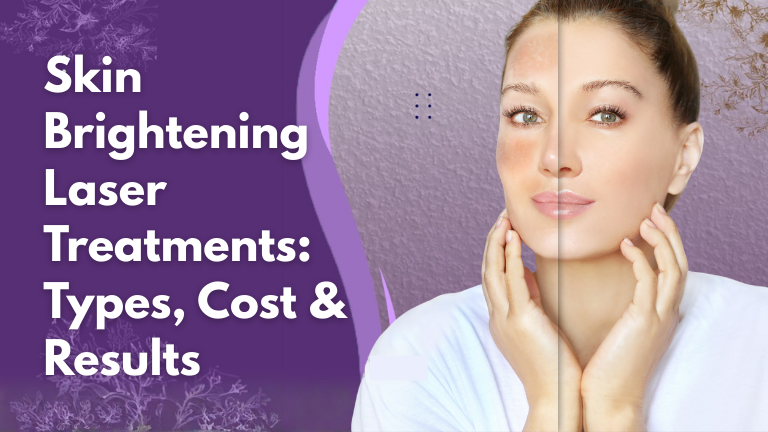
Your skin tone is uneven. Dark spots from old acne. Sun damage from years without sunscreen. Pigmentation that won’t budge with creams.
You’ve tried brightening serums. Three different ones. Still waiting for results.
Here’s what dermatologists know: topical treatments have limits. They work on surface pigmentation. For deeper melanin or stubborn spots, lasers often work better.
But “laser treatment” sounds expensive. Maybe risky. And you’ve heard horror stories about lasers making Indian skin darker, not lighter.
This guide cuts through the confusion. We’ll cover which laser types actually brighten skin, what they cost in India, realistic results timelines, and most importantly—which lasers are safe for Indian skin tones.
No sales pitch. Just facts about skin brightening lasers.
How Skin Brightening Lasers Actually Work
Lasers use concentrated light energy. Different wavelengths target different things in your skin. For brightening, lasers target melanin—the pigment making skin dark.
The laser light gets absorbed by melanin clusters. This energy breaks melanin into tiny fragments. Your body’s immune system removes these fragments naturally. Result: lighter, brighter skin over time.
But here’s the critical part for Indian skin. Some lasers can’t distinguish between normal melanin and excess melanin. They heat everything. This triggers inflammation. Inflammation in darker skin types often causes post-inflammatory hyperpigmentation—making skin darker, not lighter.
Safe brightening lasers for Indian skin use specific wavelengths. They target pigment without excessive heat. Less heat means less inflammation. Less inflammation means less risk of making things worse.
Types of Skin Brightening Lasers
Not all lasers brighten skin. Here’s what actually works.
Q-Switched Nd:YAG Laser
Gold standard for Indian skin. Delivers energy in nanosecond pulses. Breaks melanin without excessive heat.
Two wavelengths:
- 1064nm: Deeper pigmentation
- 532nm: Surface spots
Safe for all Indian skin types. Low PIH risk when used correctly.
Treats: melasma, sun spots, uneven tone, post-acne marks.
Sessions: 4-6 treatments, 4 weeks apart. Minimal downtime—slight redness for hours.
Picosecond Lasers
- Newer technology. Even shorter pulses than Q-switched. Shatters melanin into tinier particles for faster removal.
- Brands: PicoSure, PicoWay, Enlighten.
- Safe for Indian skin with correct settings. Less heat than traditional lasers.
- Sessions: 3-5 treatments, 4-6 weeks apart. Very minimal downtime.
- Cost: More expensive but potentially fewer sessions.
Fractional CO2 Laser
- Ablative laser. Creates microscopic wounds triggering healing and collagen production.
- Higher risk for Indian skin. Only for lighter skin types (III-IV). Avoid if Type V-VI.
- Better for texture and scars. Brightening is secondary.
- Sessions: 1-3 treatments, 3-6 months apart. Significant downtime—7-10 days peeling.
IPL (Intense Pulsed Light)
- Broad-spectrum light, not true laser. Good for overall brightening and redness.
- Problem: Struggles with darker skin. Higher burn risk for Type V-VI.
- Safe for: Light to medium Indian skin (Type III-IV).
- Sessions: 4-6 treatments, 3-4 weeks apart. Minimal downtime.
Laser Toning
- Gentle Q-switched at low energy. Multiple passes per session. Gradually reduces melanin.
- Very safe for all skin types. Popular for “glass skin” effect.
- Sessions: 6-10 weekly treatments. Zero downtime. Subtle, gradual results.
What Skin Brightening Lasers Can Actually Treat
Realistic expectations matter. Lasers aren’t magic wands.
Conditions That Respond Well
- Melasma – Hormone-related brown patches. Responds to Q-switched and picosecond lasers. But melasma is stubborn. Often needs maintenance treatments. Can recur with sun exposure or hormonal changes.
- Post-Inflammatory Hyperpigmentation (PIH) – Dark marks after acne, injury, or inflammation. Excellent response to lasers. Usually clears significantly in 3-4 sessions.
- Sun Spots and Age Spots – Flat brown spots from UV damage. Respond very well. Often clear dramatically after 2-3 sessions.
- Uneven Skin Tone – Overall dullness or patchiness. Laser toning or gentle picosecond treatments work well. Gradual, subtle improvement.
- Freckles – If you want them gone, lasers remove them effectively. But they can return with sun exposure.
What Lasers Cannot Fix
- Genetic Skin Tone – Lasers brighten pigmentation. They don’t change your natural skin color. You’ll still be your skin type—just more even-toned.
- Active Acne – Lasers treat acne marks. Not active breakouts. Clear acne first, then treat pigmentation.
- Very Deep Dermal Pigmentation – Some pigment sits very deep. Lasers struggle to reach it safely. May need combination approach.
- Vitiligo – Loss of pigmentation. Lasers reduce pigment, not restore it. Wrong treatment for vitiligo.
Cost of Skin Brightening Laser Treatments in India
Prices vary wildly based on city, clinic reputation, laser type, and treatment area.
Q-Switched Nd:YAG Laser
Per Session:
- Full face: ₹5,000 – ₹12,000
- Specific areas (cheeks, forehead): ₹3,000 – ₹7,000
- Spot treatment: ₹2,000 – ₹5,000
Package (6 sessions):
- Full face: ₹25,000 – ₹60,000
- Packages usually cheaper than per-session pricing
Factors affecting cost:
- Metro cities (Mumbai, Delhi, Bangalore): Higher end of range
- Tier-2 cities: Lower end
- Dermatologist’s experience and qualifications
- Clinic location and reputation
Picosecond Lasers
Per Session:
- Full face: ₹8,000 – ₹20,000
- Specific areas: ₹5,000 – ₹12,000
Package (4-5 sessions):
- Full face: ₹35,000 – ₹85,000
More expensive than Q-switched. Newer technology, fewer sessions potentially needed.
Laser Toning
Per Session:
- Full face: ₹3,000 – ₹8,000
Package (8-10 sessions):
- Full face: ₹20,000 – ₹60,000
More sessions needed but each session cheaper. Total cost comparable to Q-switched packages.
IPL Treatments
Per Session:
- Full face: ₹4,000 – ₹10,000
Package (5-6 sessions):
- Full face: ₹18,000 – ₹50,000
Hidden Costs to Consider
- Consultation fees: ₹500 – ₹2,000 (sometimes waived if you book treatment)
- Pre-treatment products: ₹1,500 – ₹5,000 (prescribed creams to prepare skin)
- Post-treatment care: ₹2,000 – ₹6,000 (sunscreen, soothing creams, healing serums)
- Maintenance sessions: After initial series, you might need 1-2 sessions yearly to maintain results. Factor this into long-term cost.
Results: What to Realistically Expect
Laser companies show dramatic before-after photos. Reality is usually more modest.
Timeline for Visible Results
- After First Session: Minimal change. Slight brightening maybe. Treated spots might darken temporarily before fading.
- After 2-3 Sessions: Starting to see improvement. Dark spots lighter. Overall tone slightly more even.
- After 4-6 Sessions: Significant visible difference. Most dark spots faded 50-70%. Skin tone noticeably more even.
- Final Results: Appear 2-3 months after last session. Skin continues improving as melanin fragments clear out.
Percentage Improvement
Realistic expectations:
- Mild pigmentation: 70-90% improvement
- Moderate pigmentation: 50-70% improvement
- Severe or long-standing pigmentation: 30-50% improvement
- Melasma: 40-60% improvement (but can recur)
Complete clearing of all pigmentation rarely happens. Significant improvement is the realistic goal.
Factors Affecting Results
- Your Skin Type: Type III-IV usually responds better than Type V-VI. Darker skin needs more careful treatment, potentially slower progress.
- Pigmentation Depth: Surface pigment responds faster. Deep dermal pigment takes longer, may need more sessions.
- Cause of Pigmentation: Sun damage responds better than hormonal pigmentation (melasma).
- Age of Pigmentation: Fresh pigmentation (under 1 year) responds better than decades-old spots.
- Sun Protection: Critical. Without strict sun protection, results disappoint. UV exposure undoes laser work.
- Skincare Routine: Prescribed pre and post-treatment products significantly impact results.
- Overall Health: Hormonal imbalances, nutritional deficiencies affect skin healing and results.
Safety Concerns for Indian Skin
Indian skin (Type III-VI) has specific laser risks.
Post-Inflammatory Hyperpigmentation (PIH)
- Biggest risk. Laser causes controlled injury. Injury triggers inflammation. Inflammation can produce more melanin in darker skin.
- Result: Treated areas darken instead of lighten.
- Risk reduction: Use appropriate lasers (Q-switched, picosecond). Avoid aggressive settings. Proper skin prep. Strict sun protection.
Burns and Scarring
Wrong settings burn skin. Burns scar. More likely with inexperienced practitioners or aggressive lasers (CO2, IPL on dark skin).
Hypopigmentation
Treated areas become lighter than surrounding skin. Creates white spots. Difficult to reverse. Happens with too many sessions too close together.
Choosing the Right Clinic
Results depend heavily on who treats you.
Must-Have Qualifications
- Board-Certified Dermatologist – Not beauticians. Medical doctors specialized in dermatology.
- Indian Skin Experience – Ask how many Type IV-VI patients treated. See before-after photos of similar skin tones.
- Quality Equipment – FDA-approved lasers. Not outdated or knock-off machines.
- Patch Test – Good clinics test small area first.
Red Flags
- Guaranteed results (no ethical doctor guarantees)
- Extremely low prices (quality costs money)
- Pressure to buy packages
- No proper consultation
- Skip skin preparation
Questions to Ask
“Which laser for my skin type?”
“How many patients with my skin tone have you treated?”
“What are specific risks for my skin type?”
“What happens if PIH occurs?”
“What’s included in treatment cost?”
Pre and Post Treatment Care
What you do before and after affects results significantly.
Before Treatment (2-4 Weeks)
- Stop: Waxing, threading, retinoids, strong acids, sun exposure
- Start: Prescribed lightening creams, sunscreen SPF 50+ every 2-3 hours, gentle cleanser, hydrating moisturizer
Day of Treatment
Clean, bare skin. No makeup, sunscreen, or creams. Avoid caffeine. Bring sunglasses and hat.
After Treatment (First 48 Hours)
- Do: Apply prescribed healing cream. Gentle cleanser only. Sunscreen every 2 hours outdoors. Sleep elevated.
- Don’t: Makeup for 24-48 hours. Exercise. Hot showers, saunas. Swimming. Active skincare ingredients.
Between Sessions
Strict sun protection. Gentle skincare. Prescribed creams. No picking. Stay hydrated. Healthy diet.
Combining with Other Treatments
Single approach sometimes isn’t enough.
- Laser + Chemical Peels – Alternate months. Addresses pigmentation from different angles. Good for stubborn melasma.
- Laser + Topical Treatments – Standard. Continue prescribed creams: hydroquinone/kojic acid, vitamin C, retinoid, niacinamide.
- Laser + Oral Supplements – Some prescribe tranexamic acid (melasma), glutathione, vitamin C. Evidence varies—discuss with dermatologist.
Final Thoughts
Skin brightening lasers can work. They do improve pigmentation for many people. But they’re not miracle treatments.
Success depends on:
- Choosing correct laser for your skin type
- Experienced, qualified dermatologist
- Realistic expectations
- Proper pre and post care
- Strict sun protection
- Patience (results take months)
For Indian skin specifically, Q-switched Nd:YAG and picosecond lasers are safest choices. Avoid aggressive lasers unless you have lighter skin tone and specific indication.
Cost adds up—expect ₹25,000-60,000 for complete treatment course. Factor in maintenance sessions long-term.
If you have melasma or stubborn pigmentation that hasn’t responded to creams, lasers are reasonable next step. But go to qualified dermatologist. Not beauty salon. Not spa. Medical professional with proper training and equipment.
Your skin is permanent. Worth investing in proper treatment from the start rather than fixing complications later.
Frequently Asked Questions
- How many sessions of skin brightening laser are needed?
Depends on laser type and pigmentation severity. Q-switched lasers typically need 4-6 sessions spaced 4 weeks apart. Picosecond lasers may achieve results in 3-5 sessions. Laser toning requires 6-10 weekly sessions. Mild pigmentation responds faster than severe cases. Melasma often needs more sessions plus maintenance treatments every 3-6 months to prevent recurrence.
- Is skin brightening laser safe for dark Indian skin?
Yes, when correct laser is used by experienced dermatologist. Q-switched Nd:YAG laser (1064nm wavelength) is gold standard for Type V-VI Indian skin. Picosecond lasers also safe with proper settings. Avoid IPL and fractional CO2 on very dark skin—high risk of burns and post-inflammatory hyperpigmentation. Always insist on patch test first to check skin response.
- How long do skin brightening laser results last?
Results are semi-permanent, not permanent. Sun damage and age spots may stay cleared for years with good sun protection. Hormonal pigmentation (melasma) often recurs—expect maintenance sessions every 6-12 months. Without sun protection, pigmentation returns within months. Combining laser with proper skincare and strict SPF 50+ daily maintains results longer. Think long-term management, not one-time cure.
- What is the cost of full face laser skin brightening in India?
Q-switched Nd:YAG full face: ₹25,000-60,000 for complete package (6 sessions). Single session ₹5,000-12,000. Picosecond lasers: ₹35,000-85,000 for package (4-5 sessions). Laser toning: ₹20,000-60,000 for package (8-10 sessions). Metro cities charge higher. Add ₹5,000-10,000 for pre/post-treatment products. Budget for yearly maintenance sessions (₹5,000-15,000). Total first-year cost: ₹30,000-95,000 depending on laser type and city.
- Does laser skin brightening have side effects?
Common temporary effects: redness (few hours), treated spots darkening before fading (1-2 weeks), mild swelling, sensitivity. Serious risks for Indian skin: post-inflammatory hyperpigmentation (darkening instead of brightening), burns, scarring, hypopigmentation (white patches). Risk is much higher with wrong laser type, inexperienced practitioner, or inadequate sun protection. Choose board-certified dermatologist using appropriate laser for your skin type. Follow all pre/post-care instructions strictly.

